Grappling Arts in Australia: What Judo, BJJ and Submission Wrestling Mean for Your School's Insurance
The Ground Game Has Specific Insurance Considerations
There is a moment in every striking artist's training life when a grappler quietly changes their worldview. Maybe it happens during a seminar, or a casual roll after class and suddenly every kick and punch feels like it was built on sand. The grappling arts Judo, Brazilian Jiu-Jitsu, and Submission Wrestling are honest in a way that is difficult to avoid, because the feedback is immediate and physical. You either controlled the position, or you did not.
What is equally honest, from an insurance perspective, is that running a grappling school carries a specific and distinct risk profile that a generic martial arts policy may not be structured to address. Understanding what makes each style different on the mat is important. Understanding how those differences translate into your insurance obligations is just as important.
Judo: The Throwing Art and Its Specific Risk Profile
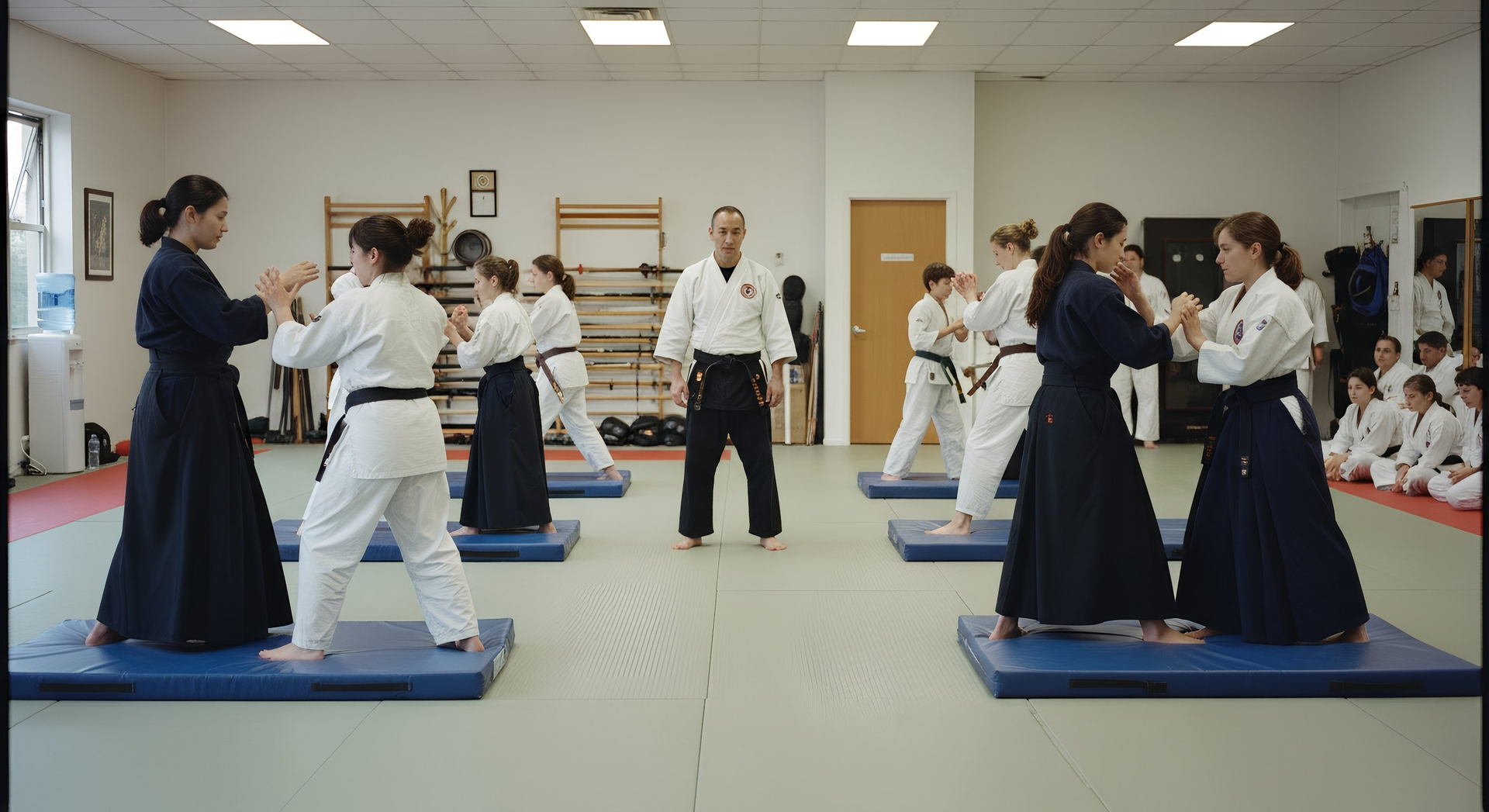
Judo's primary risk profile centres on throwing techniques tachi-waza performed with full commitment on both sides. The O-soto-gari, Seoi-nage, and Ippon Seoi-nage are spectacular techniques that, performed incorrectly or onto an inadequately prepared partner, carry meaningful injury risk. The quality of ukemi the art of falling safely is not just a training priority. It is a risk management priority. Insurers assessing a Judo school will consider whether proper falling technique is taught systematically from day one.
Judo's competition pathway through Judo Australia is well-established and structured. If your club enters students in local, state, or national competition, confirm whether your club's policy covers supervised training leading to competition and what the arrangements are for the competition event itself. Tournament events typically require separate Event Cover from your school's ongoing policy.
BJJ: Open Mat, Rolling, and the Supervision Question
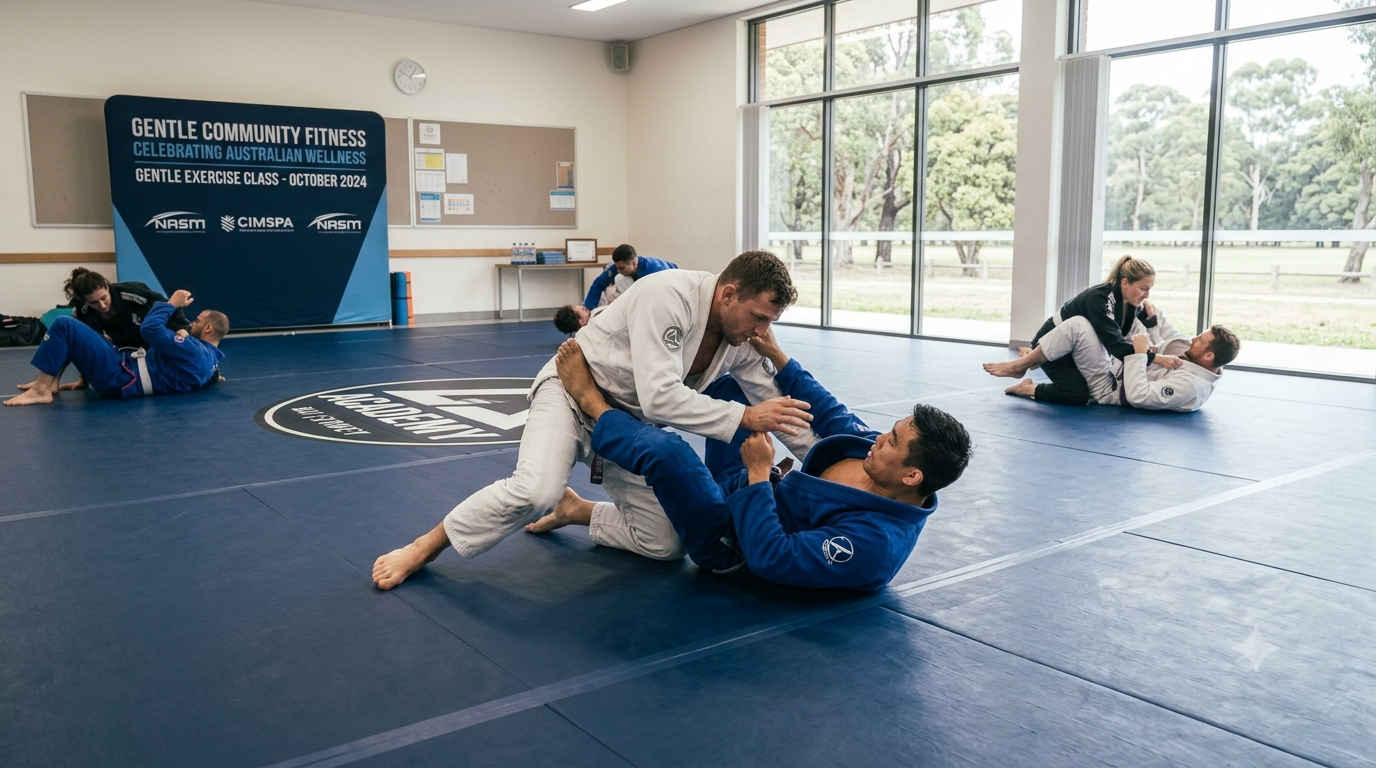
Brazilian Jiu-Jitsu has grown faster than almost any other martial art in Australia. Its training model live rolling with high-intensity ground grappling — is one of the most functional and honest training environments in the martial arts world. It also creates specific insurance questions that a generic policy may not adequately address.
Open mat sessions are particularly important to clarify. In a supervised class, an instructor manages pairings, monitors intensity, and responds to incidents. During open mat, participants organise their own rolling, often without a qualified instructor present on the floor. Whether your policy covers incidents during open mat is a specific question not a safe assumption. Ask your broker directly, and get the answer in writing.
BJJ's belt progression is longer than many traditional arts, meaning highly experienced instructors often hold relatively low belt grades. Some standard insurance policies carry minimum rank conditions for covered instructors that do not map well to BJJ's progression. A policy specifically assessed for BJJ takes this structure into account rather than applying a rank threshold designed for a different art's timeline.
Submission Wrestling: MMA Alignment and the Declaration Conversation
Submission Wrestling — No-Gi grappling — is closely aligned with MMA training, and many academies run dedicated No-Gi sessions alongside their martial arts or fitness programs. If your school offers No-Gi rolling, this activity needs to be specifically declared. A policy covering gi-based BJJ or Judo may not automatically extend to No-Gi grappling, particularly where the intensity and contact level of the sessions differs from your standard declared activities.
Leg locks, which feature more prominently in No-Gi grappling, represent specific techniques that some policies treat with particular care. If your school teaches heel hooks or other leg-lock systems, confirm this is within your declared scope rather than assuming it falls under a general grappling category.
Competition Events: A Separate Conversation
If your grappling academy runs internal competitions, grading-style events, or inter-club tournaments, these events require specific consideration. Your ongoing school policy is rated around regular training activities. A competition event introduces external participants, different attendance levels, and activity at competitive intensity all of which may take the event outside the scope of your standard cover.
At Martial Arts Insurance, we have arranged cover for grappling academies across every style Judo clubs, BJJ academies, submission wrestling programs, and blended grappling facilities. We understand what happens on the mat, and we structure policies that reflect it accurately.