Common Risks in Martial Arts Training and How Insurance Helps
Common Risks in Martial Arts Training and How Insurance Helps

Common Risks in Martial Arts Training and How Insurance Helps
Martial arts training involves structured physical activity, controlled contact, and skill progression. These elements are central to the discipline and are part of what attracts students to training. At the same time, they introduce a range of risk considerations that are commonly discussed within martial arts schools and clubs.
This article provides general insurance information about commonly recognised risks in martial arts training and explains how insurance may apply as a form of financial protection for certain insured events, subject to policy terms, conditions, and exclusions. It does not provide personal advice.
Physical Interaction and Contact
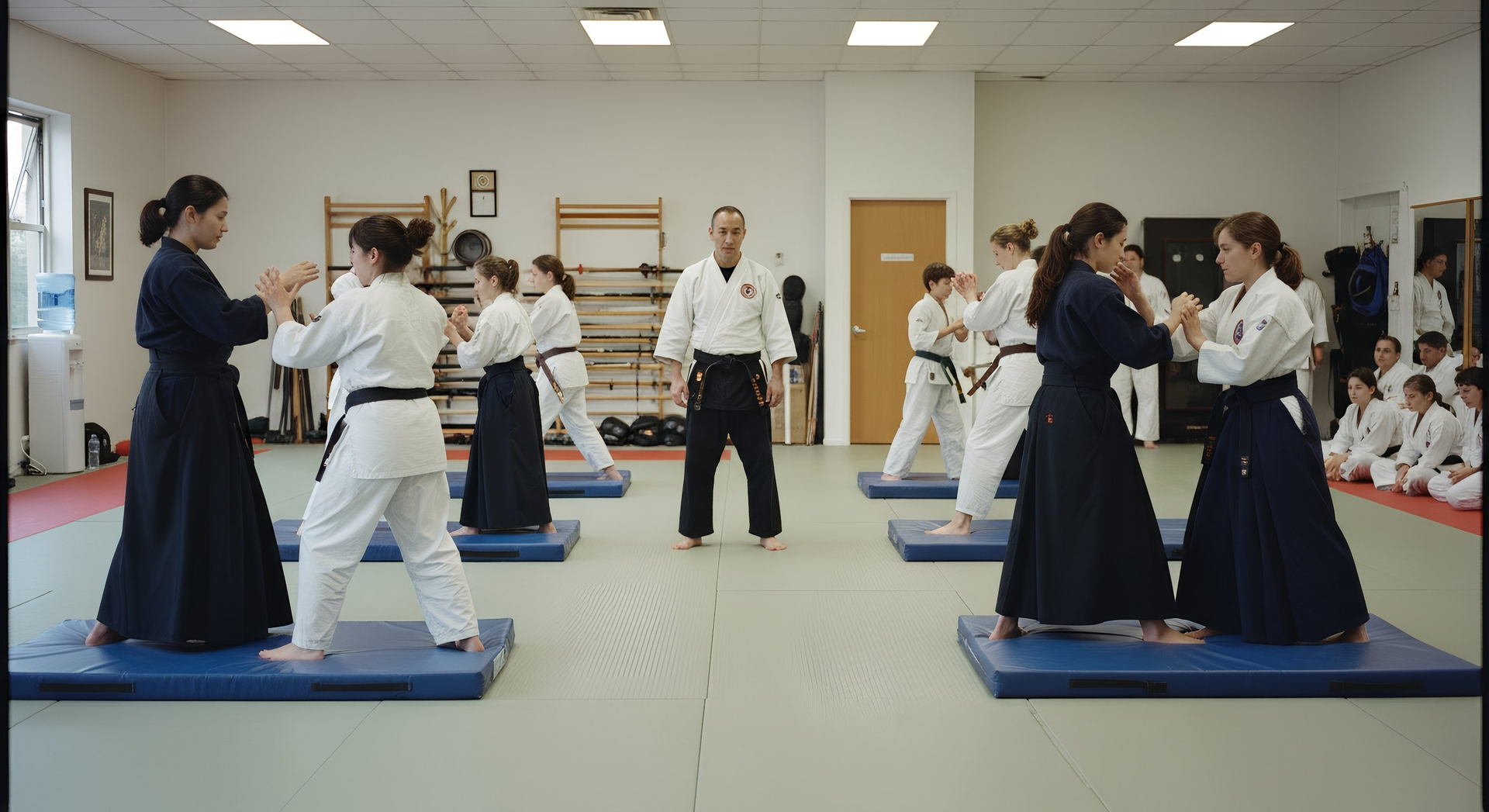
Many martial arts styles involve direct physical interaction between participants. This may include:
- Partner drills
- Grappling or clinch work
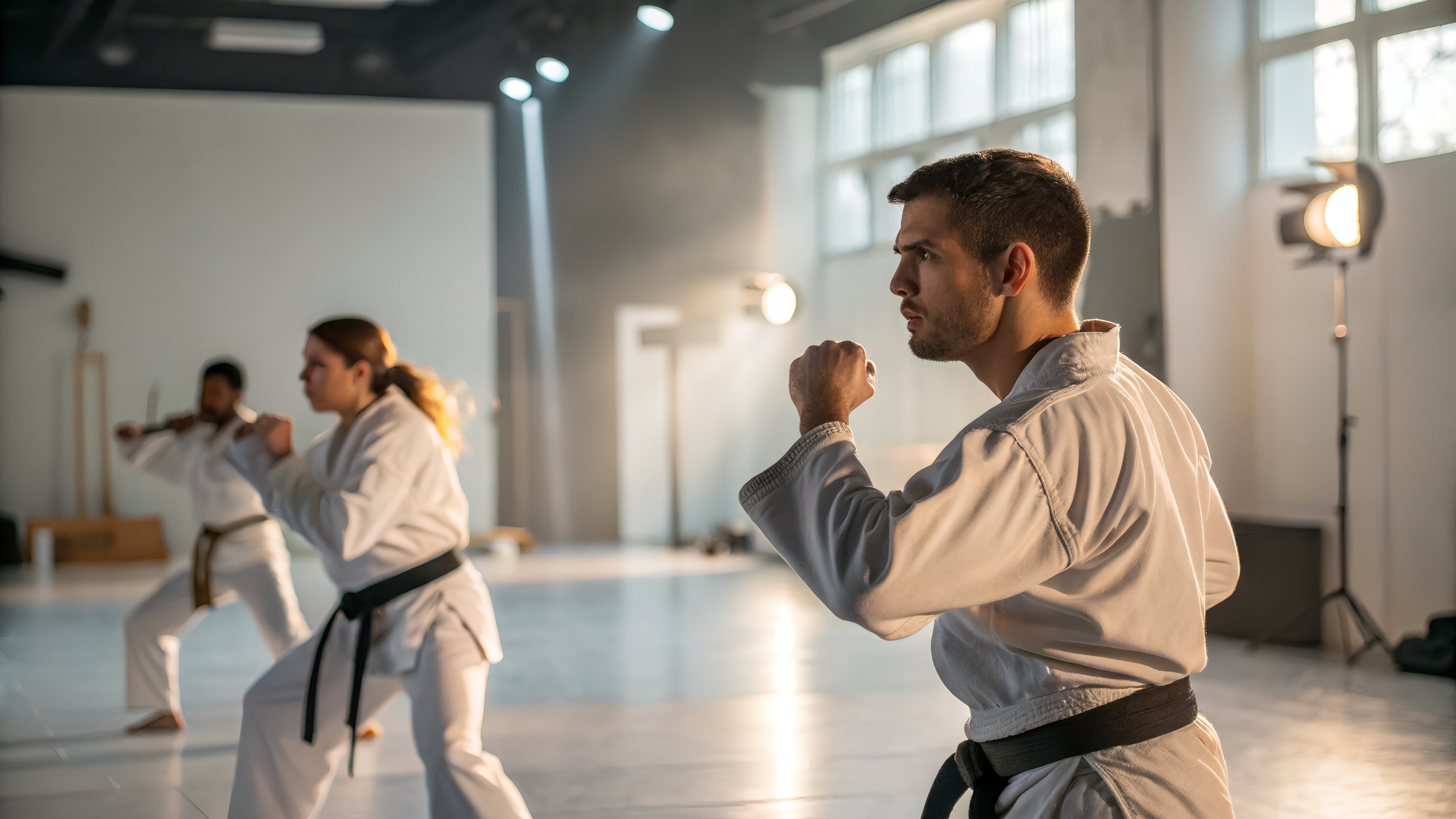
- Controlled striking
- Throws or takedowns
Even when conducted under supervision and within club rules, physical contact introduces variability. Differences in size, strength, timing, and experience can influence outcomes during training.
Insurance does not evaluate whether contact should or should not occur. Instead, it assesses whether the activity involved was declared, defined, and covered under the policy.
Skill Progression and Experience Levels
Martial arts classes often include students at different stages of development. Beginner, intermediate, and advanced students may train together, particularly in smaller schools.
From an insurance perspective, mixed experience levels are a recognised factor because:
- New students may have limited body awareness
- Advanced techniques may involve greater complexity
- Progression rates vary between individuals
Coverage considerations depend on how training activities are structured and described within policy documentation.
Repetition, Fatigue, and Conditioning
Training sessions commonly include repetitive movements and conditioning exercises. Fatigue can influence coordination and reaction time, which may contribute to training incidents.
Insurance does not address training design or intensity. Where a claim arises, assessment focuses on whether the incident falls within an insured event and whether relevant exclusions apply.
Use of Equipment and Training Aids
Some martial arts schools use equipment such as:
- Pads and shields
- Training weapons
- Mats and flooring
- Conditioning tools
Incidents involving equipment may be assessed differently depending on whether the equipment is part of declared training activities and whether its use aligns with policy definitions.
Insurance does not ensure equipment suitability or maintenance. It may respond to certain incidents involving equipment, subject to policy terms and conditions.
Group Classes and Class Structure
Group training environments introduce considerations such as:
- Multiple participants moving simultaneously
- Limited individual supervision
- Reliance on structured class formats
Insurance policies often distinguish between one-on-one instruction and group-based training. Whether group classes are included depends on how they are disclosed and classified within the policy.
Changes in Training Methods
Martial arts schools may evolve their training over time by introducing:
- Cross-training elements
- Fitness-based conditioning
- Expanded sparring formats
- New class types
Insurance coverage varies depending on whether these changes fall within existing activity definitions. Undeclared changes can create differences between how a school operates and how it is insured.
How Insurance Helps in a General Sense
Insurance does not prevent incidents or remove training risk. Its role is to provide financial protection against certain insured events, subject to policy terms, conditions, and exclusions.
Where applicable, insurance may assist with:
- Third-party injury claims
- Legal defence costs
- Certain liability exposures
Claims are not automatic and outcomes are not guaranteed. Each claim is assessed individually.
Documentation and Insurance Awareness
From an insurance perspective, documentation can be relevant when incidents are reviewed. This may include:
- Class schedules
- Instructor involvement
- Incident reports
- Activity descriptions
Maintaining records does not determine claim outcomes, but incomplete information can complicate assessments.
General Information on Industry-Specific Insurance Experience
Some insurance brokers work specifically with martial arts, fitness, and sports-related businesses. For example, MAA Insurance Services operates within these industries and structures insurance arrangements based on declared activities and operating models.
This reference is provided for general awareness only and does not constitute personal advice.
Claims Are Assessed Individually
It is important to understand that:
- Not all incidents lead to claims
- Not all claims result in coverage
- Coverage is subject to policy terms, conditions, and exclusions
Insurance does not provide certainty of outcomes and does not apply universally to all training scenarios.
Closing Thoughts
Martial arts training involves physical interaction, progression, and repetition. These elements introduce recognised risk considerations that vary by style, structure, and environment.
Insurance plays a defined role in addressing financial exposure arising from certain insured events. Understanding how insurance interacts with martial arts training supports realistic expectations and informed business awareness.
Disclaimer:
This information is general in nature and does not consider your personal circumstances.