Why Specialist Insurance Matters for Fitness and Martial Arts Instructors
Why Specialist Insurance Matters for Fitness and Martial Arts Instructors
Why Specialist Insurance Matters for Fitness and Martial Arts Instructors
Fitness and martial arts instruction involves physical activity, movement, and interaction that differ significantly from many other business types. Because of this, insurance arrangements for these industries are often more complex than they first appear.
This article provides general insurance information to explain why industry-specific insurance knowledge is often discussed in fitness and martial arts contexts. It does not provide personal advice and does not suggest that one insurance product is superior to another.
General Insurance vs Industry-Specific Understanding
Many insurance products are designed to apply across a wide range of low-risk businesses. These general products can be suitable for some operations, but they may rely on broad activity descriptions and standard assumptions.
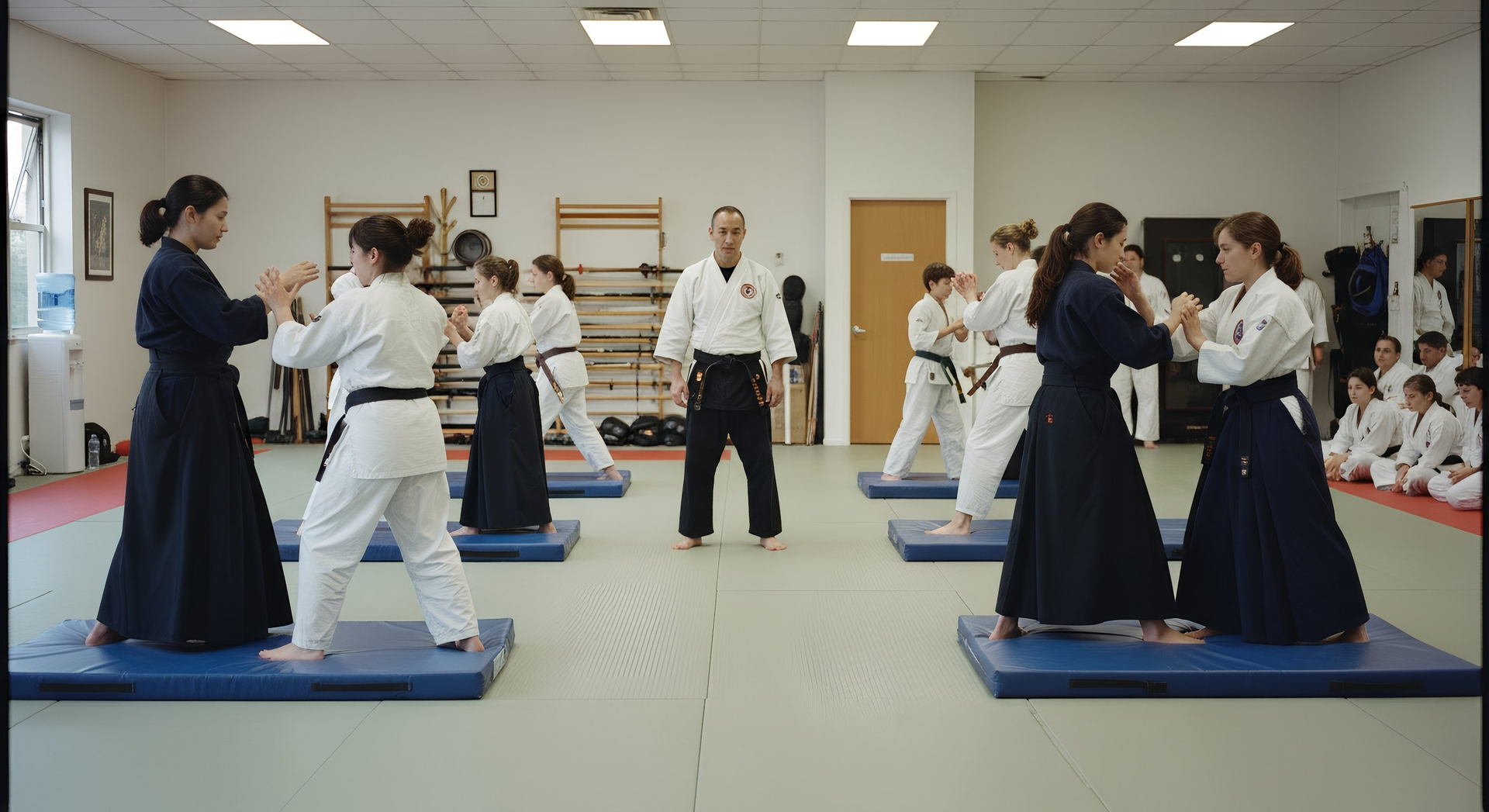
Fitness and martial arts environments, however, often include:
Physical instruction and demonstration
Group-based activity
Contact or controlled contact training
Progressive skill development
Mixed experience levels
Specialist insurance knowledge refers to an understanding of how these activities are commonly structured and described within policy documentation.
Why Activity Definitions Matter
Insurance policies rely on defined activities rather than general descriptions. The way an activity is declared can influence how coverage is assessed if a claim arises.
For fitness and martial arts instructors, activity definitions may relate to:
One-on-one instruction
Group classes
Contact or non-contact training
Use of equipment
Events or demonstrations
Industry-specific experience can help clarify how such activities are typically classified within insurance policies. This is part of general insurance awareness, not personal advice.
Training Methods and Evolving Practices
Training practices in fitness and martial arts continue to evolve. Instructors may introduce:
Hybrid fitness-conditioning classes
Cross-training elements
Online or hybrid delivery models
New class formats
Insurance coverage varies depending on whether these activities align with existing policy definitions. Understanding how changes in training methods may interact with insurance wording is a common consideration for instructors.
Differences in Business Structures
Fitness and martial arts instructors operate under different business models. These may include:
Sole traders
Studio or school owners
Contractors working within larger facilities
Associations or clubs
Each structure introduces different insurance considerations. Specialist insurance experience typically involves familiarity with how these structures are treated under different policy arrangements.
Group Training and Supervision Considerations
Group training environments introduce different exposure considerations compared to one-on-one instruction. This does not imply increased risk or reduced safety, but it does affect how insurers classify activities.
Understanding how group-based instruction is commonly addressed within insurance policies is part of general insurance literacy for instructors operating in these environments.
Claims Assessment and Industry Context
When claims are assessed, insurers focus on:
Policy wording
Declared activities
Circumstances of the incident
Applicable exclusions
They do not assess training quality or intent. Industry context can assist in ensuring activities are described clearly at the outset, reducing ambiguity during claims assessment. This does not influence outcomes, which remain subject to policy terms and conditions.
General Information on Specialist Insurance Providers
Some insurance brokers focus specifically on fitness, martial arts, and sports-related industries. For example, MAA Insurance Services works with instructors and organisations in these sectors across Australia and structures insurance arrangements based on declared activities and operating models.
This reference is provided for general awareness only and does not constitute a recommendation or personal advice.
Avoiding Assumptions About Coverage
One of the most common challenges in insurance is assumption. Assumptions may arise when:
Activities evolve over time
Training formats expand
New delivery methods are introduced
Insurance does not automatically adjust to these changes. Coverage remains subject to what is defined in the policy at the time of the incident.
Understanding this limitation is a key part of insurance awareness for instructors.
Closing Thoughts
Fitness and martial arts instruction involves activities that are often misunderstood when assessed under general insurance frameworks. Specialist industry knowledge relates to understanding how these activities are commonly described, classified, and assessed within insurance policies.
Insurance remains a mechanism for addressing financial exposure arising from certain insured events, subject to policy terms, conditions, and exclusions. Understanding how industry context interacts with insurance wording supports informed awareness for instructors operating in physically active environments.
Disclaimer:
This information is general in nature and does not consider your personal circumstances.