Insurance Basics Every Martial Arts Instructor Should Understand
Insurance Basics Every Martial Arts Instructor Should Understand
Insurance Basics Every Martial Arts Instructor Should Understand
Martial arts instruction involves structured physical activity, controlled contact, and progressive skill development. Whether teaching traditional disciplines, modern systems, or mixed training formats, instructors operate in environments where physical interaction and movement are central to participation.
Insurance is often discussed in martial arts contexts, but it is not always well understood. This article provides general insurance information to outline common concepts relevant to martial arts instructors. It does not provide personal advice and does not replace individual policy review.
Martial Arts Training and Risk Considerations
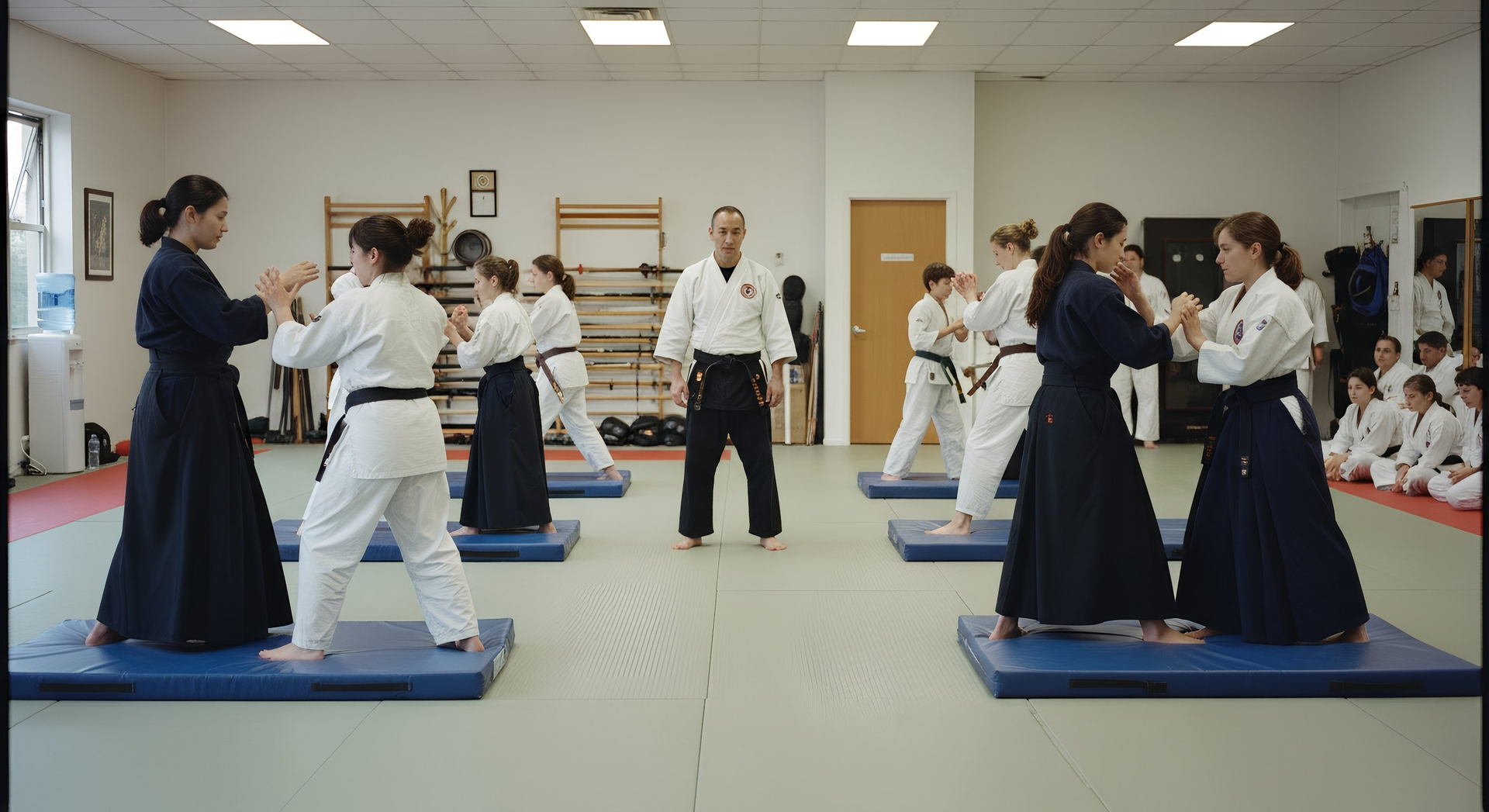
Martial arts classes commonly include elements such as:
- Partner drills
- Controlled contact
- Throws, grappling, or striking
- Repetitive movement and conditioning
- Mixed experience levels within a class
These elements are fundamental to martial arts training, but they also introduce variability. Outcomes can differ between participants based on physical condition, experience, and execution.
Insurance does not assess whether a training activity is appropriate or inappropriate. Instead, it considers how activities are defined, disclosed, and classified within a policy.
Understanding Activity Definitions in Insurance Policies
One of the most important insurance concepts for martial arts instructors is activity definition.
Insurance policies rely on specific wording to describe what is included and excluded. While a policy may list “martial arts” as an activity, this term can be defined narrowly. In some cases, activities such as:
- Sparring
- Partner drills
- Grappling
- Competition-style training
may be treated differently depending on how the policy is structured.
For this reason, understanding how training activities are described within policy documentation is a key part of insurance awareness.
General Types of Insurance Commonly Referenced
Martial arts instructors may encounter several general insurance categories, depending on how they operate. These can include:
- Public liability insurance
- Professional indemnity insurance
- Personal accident insurance
- Property or equipment-related cover
Each category serves a different purpose and responds to different types of insured events, subject to policy terms, conditions, and exclusions.
Not all policies include all categories, and inclusion does not imply automatic coverage for all activities.
Supervision, Instruction, and Insurance Considerations
Insurance policies often distinguish between:
- Supervised instruction
- Independent training
- Informal or unscheduled activity
For example, an incident occurring during a structured class may be assessed differently from one occurring outside scheduled training times. These distinctions are typically outlined within policy documentation.
Insurance does not replace the responsibility instructors have to supervise classes appropriately. It may provide financial protection where a covered incident occurs despite reasonable care being taken.
Group Classes and Mixed Experience Levels
Martial arts classes frequently include students with varying experience levels training together. From an insurance perspective, this introduces considerations related to:
- Class structure
- Instructor-to-student ratios
- Training format
Insurance policies do not determine how classes should be run. They assess whether the activity involved falls within the scope of declared and covered activities.
Changes in Training Methods and Coverage Awareness
Martial arts instruction evolves over time. Instructors may introduce:
- New drills or training methods
- Cross-training elements
- Fitness-based conditioning
- Expanded sparring formats
Insurance coverage varies depending on whether these changes align with existing policy definitions. Undisclosed changes in activity can create gaps between how a school operates and how it is insured.
Documentation and Record-Keeping
From an insurance perspective, documentation may be relevant when incidents are assessed. This can include:
- Class schedules
- Instructor roles
- Incident reports
- Student participation records
Having records does not determine outcomes, but incomplete information can complicate claim assessments.
General Information on Industry-Specific Insurance Experience
Some insurance brokers focus specifically on martial arts, fitness, and sports-related businesses. For example, MAA Insurance Services works with martial arts instructors and schools across Australia and structures insurance arrangements based on declared activities and operating models.
This reference is provided for general awareness only and does not constitute personal advice.
Claims Are Assessed Individually
It is important to understand that:
- Claims are assessed individually
- Coverage is subject to policy terms, conditions, and exclusions
- Not all incidents result in an insurable claim
Insurance does not provide certainty of outcomes and does not apply universally to all training incidents.
Closing Thoughts
Martial arts instruction involves structured physical activity and interaction. Insurance plays a defined role in addressing financial exposure arising from certain insured events, subject to policy terms and conditions.
Understanding general insurance concepts, activity definitions, and policy limitations supports informed awareness for martial arts instructors operating in varied training environments.
Disclaimer:
This information is general in nature and does not consider your personal circumstances.