Do Martial Arts Schools Need Event Insurance? Here’s When and Why
Gradings, tournaments, seminars, and what’s actually covered
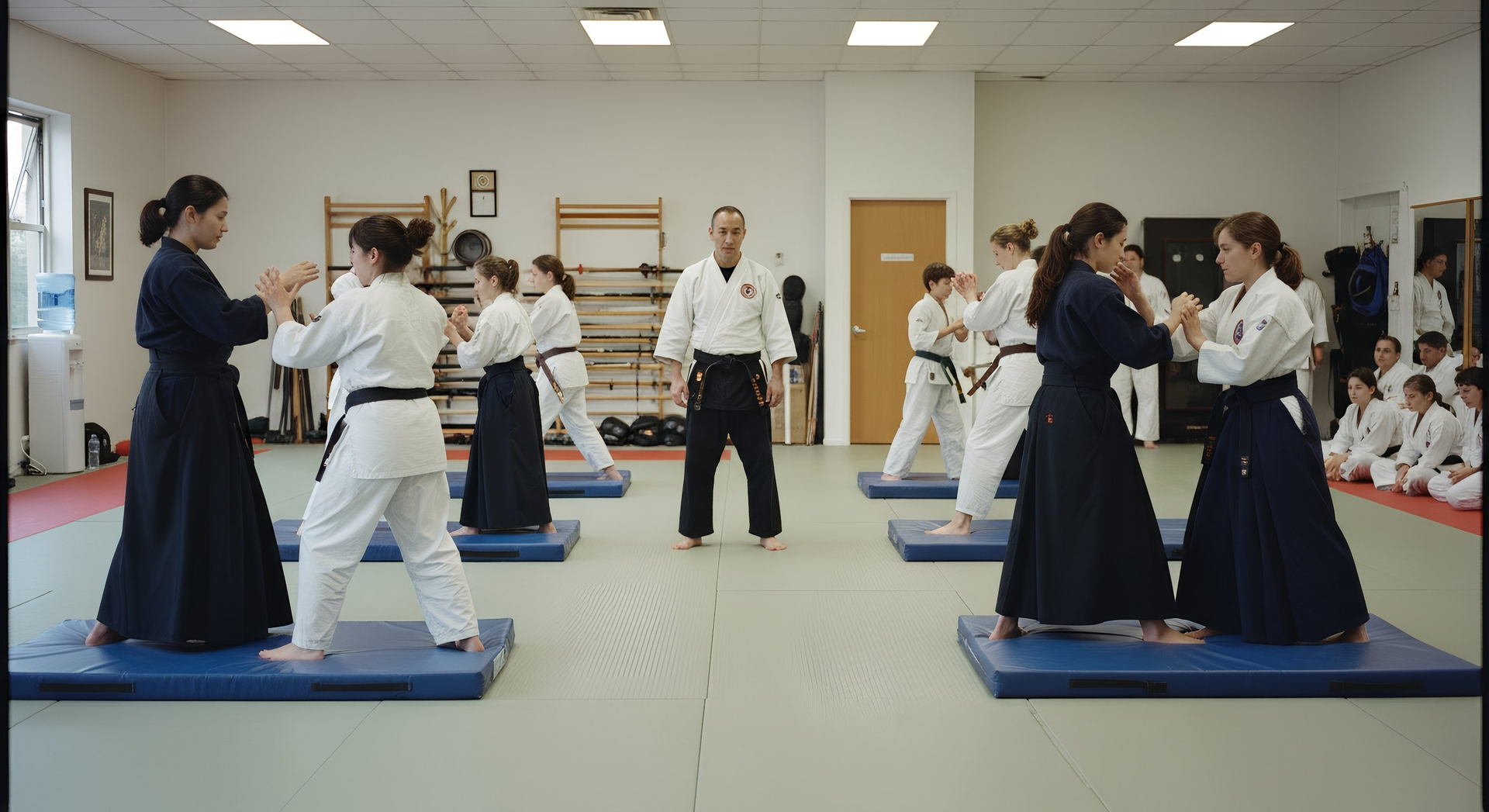
Martial arts schools regularly run activities that fall outside normal weekly classes. Gradings, seminars, demonstrations, tournaments, and special training days are part of how schools grow, assess students, and build community. However, these same activities also introduce higher and different risk exposures—often without school owners realising their standard insurance may not fully apply.
Event insurance is one of the most misunderstood areas of martial arts cover in Australia. Many school owners assume that if they are insured for classes, events are automatically included. In reality, this assumption can leave schools exposed at precisely the moments when risk is highest.
What Counts as an “Event” in Martial Arts?
From an insurance perspective, an event is any activity that sits outside routine training or changes the risk profile of normal operations. In martial arts, this commonly includes:
- Belt gradings and assessments
- In-house or inter-school tournaments
- Seminars with guest instructors
- Public demonstrations or exhibitions
- Training camps and workshops
- School-hosted competitions
Even if these activities occur at your regular venue, they may still be classified as events due to increased intensity, audience presence, or participant numbers.
Why Standard Policies May Not Be Enough
Most standard martial arts insurance policies are structured around regular, scheduled classes. Events introduce variables that insurers assess differently, such as:
- Larger participant numbers
- Higher physical intensity
- Time pressure during assessments
- External instructors or officials
- Spectators and non-participants
- Temporary venues or unfamiliar environments
If these elements are not disclosed or specifically covered, insurers may argue that the activity fell outside the agreed scope of cover.
Gradings: A Common Risk Blind Spot
Gradings are one of the most frequent sources of insurance disputes in martial arts. While they are a normal part of training culture, they differ from standard classes in important ways:
- Students are often pushed beyond usual limits
- Fatigue increases injury likelihood
- Decisions about readiness and progression are scrutinised
- Emotional investment can amplify disputes
If a student or parent alleges that a grading was conducted unsafely or prematurely, professional judgement becomes central to the claim. Without clear event-related coverage, this can create ambiguity.
Tournaments and Competitions Increase Exposure
Competitions—whether friendly or formal—introduce additional layers of risk:
- Opponents from different schools
- Referees and officials
- Rule enforcement disputes
- Higher-speed and higher-impact engagement
Standard class-based insurance may not adequately address these dynamics, particularly when schools are hosting rather than participating.
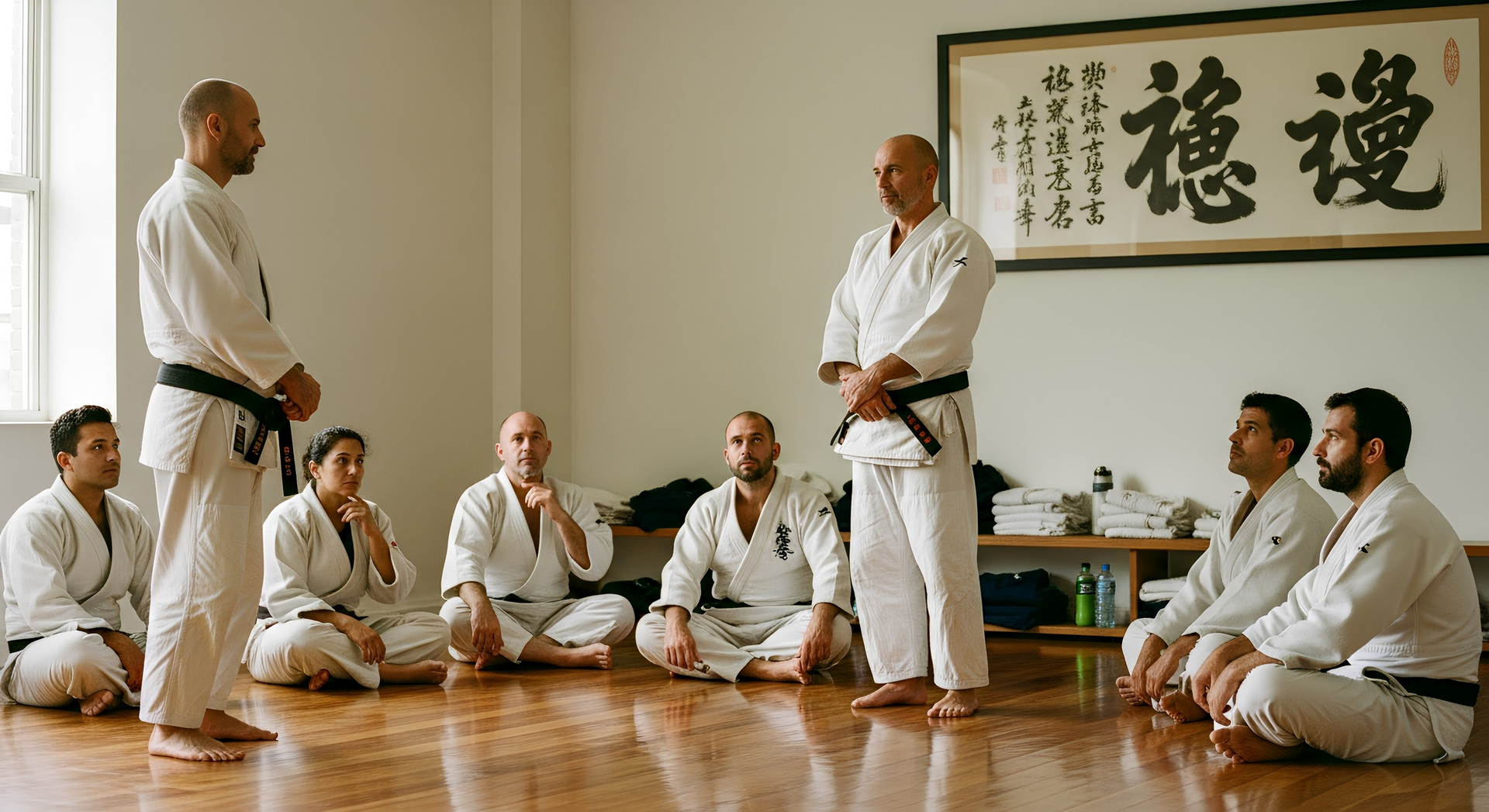
Guest Instructors and External Participants
Seminars and workshops often involve:
- Visiting instructors
- Cross-school participation
- Different teaching styles or expectations
Insurance must clearly address:
- Who is responsible for instruction
- Whether guest instructors are covered
- How liability is shared or transferred
Failure to clarify these roles can complicate claims significantly.
Public Demonstrations and Non-Participant Risk
Demonstrations introduce third-party exposure:
- Members of the public in close proximity
- Temporary setups and equipment
- Unfamiliar environments
Public liability risks increase substantially in these settings, and assumptions about coverage can be costly if something goes wrong.
What Event Insurance Typically Addresses
Proper event insurance for martial arts can provide:
- Public liability cover for spectators and venues
- Professional indemnity for instructional decisions
- Cover for specific dates, activities, and locations
- Clarity around participant and instructor roles
The key is specificity. Insurers respond best when events are clearly defined rather than assumed to fall under general operations.
Why Disclosure Matters More Than Frequency
Some school owners believe that events must be insured separately only if they occur frequently. In reality, frequency is less important than disclosure.
A single, annual grading or seminar can still fall outside cover if it materially changes the risk profile and was not disclosed. Event insurance is often less about cost and more about clarity.
Industry Context Reduces Uncertainty
Understanding how insurers interpret martial arts events requires industry context. Organisations such as Martial Arts Australia recognise that events are a fundamental part of martial arts education—not an occasional anomaly.
Industry-aligned frameworks help ensure:
- Events are anticipated, not questioned
- Coverage aligns with how schools actually operate
- Roles and responsibilities are clearly defined
- Claims are assessed with appropriate context
This alignment significantly reduces disputes when incidents occur.
When Should Schools Consider Event Insurance?
Martial arts schools should review event cover when:
- Hosting gradings beyond normal class structure
- Running seminars with external instructors
- Organising tournaments or demonstrations
- Teaching at temporary or public venues
- Inviting spectators or non-members
If the activity changes who is involved, how training occurs, or who is exposed to risk, event-specific consideration is warranted.
Final Thoughts
Events are often the highlight of a martial arts school’s calendar—but they are also moments of increased scrutiny and risk. Assuming that standard insurance automatically applies can leave schools exposed when they can least afford it.
Event insurance is not about overcomplication. It is about ensuring clarity, alignment, and protection when activities extend beyond the everyday. For martial arts schools in Australia, understanding when and why event insurance is needed is a key part of operating professionally and sustainably.