Why Generic Gym Insurance Often Fails Martial Arts Schools
The critical differences insurers don’t explain until a claim is made
At first glance, gym insurance and martial arts insurance can appear almost identical. Policy summaries list familiar terms such as public liability, professional indemnity, and personal accident cover. Premiums may even be lower when martial arts schools are grouped under “fitness” classifications.
Unfortunately, this surface-level similarity is exactly where many problems begin.
For martial arts school owners in Australia, relying on generic gym insurance often leads to coverage gaps that only become visible after an incident occurs. By then, the financial and reputational consequences can be significant. This article explains why generic gym insurance frequently fails martial arts schools—and what operators should understand before assuming they are properly covered.
Martial Arts Is Not Just Another Fitness Activity
From an insurer’s perspective, risk classification matters. Generic gym insurance is typically designed around activities such as:
- Group fitness classes
- Strength and conditioning
- Personal training
- Low-contact exercise programs
Martial arts, by contrast, involves:
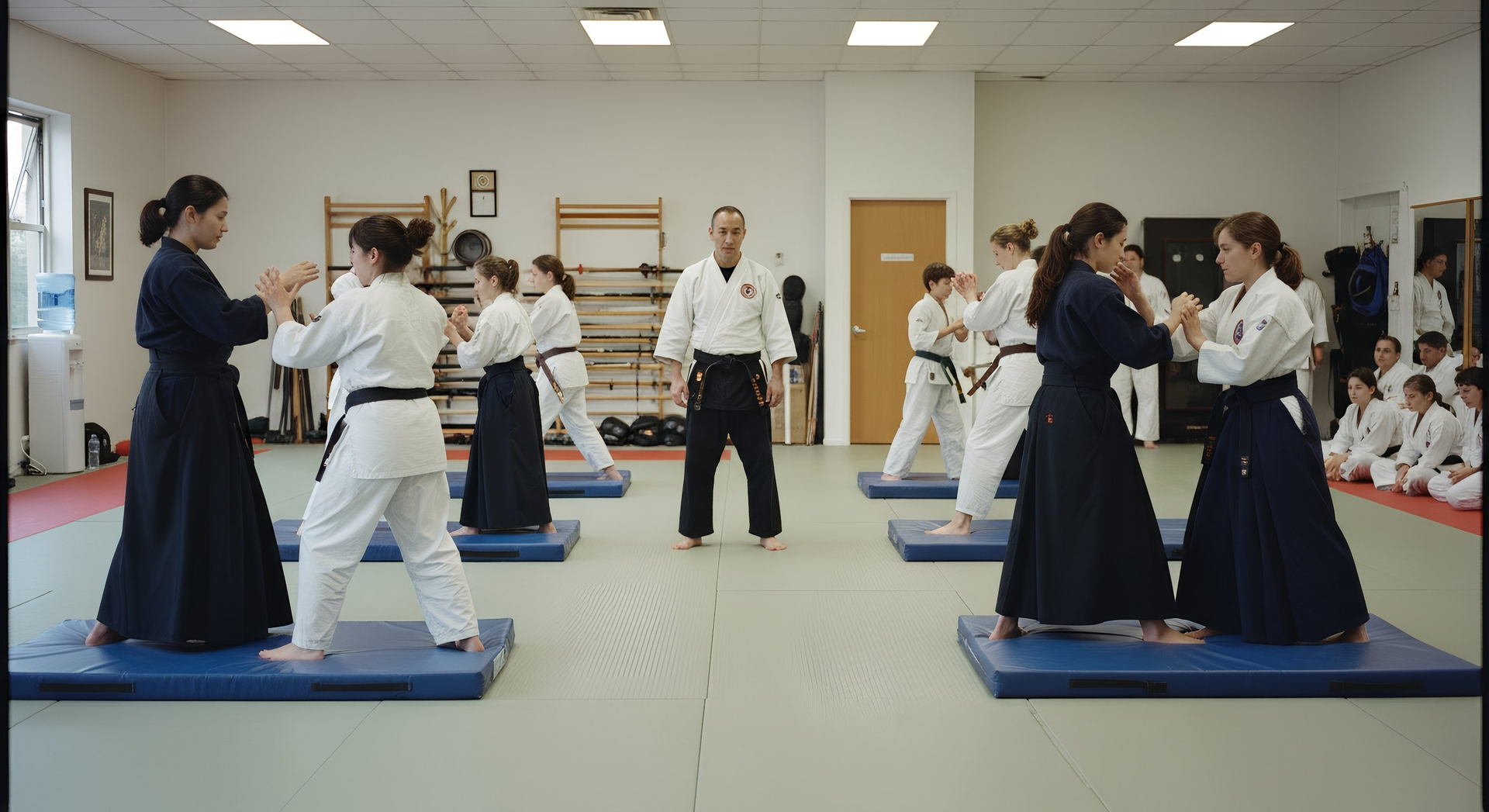
- Controlled physical contact
- Throws, grappling, and joint manipulation
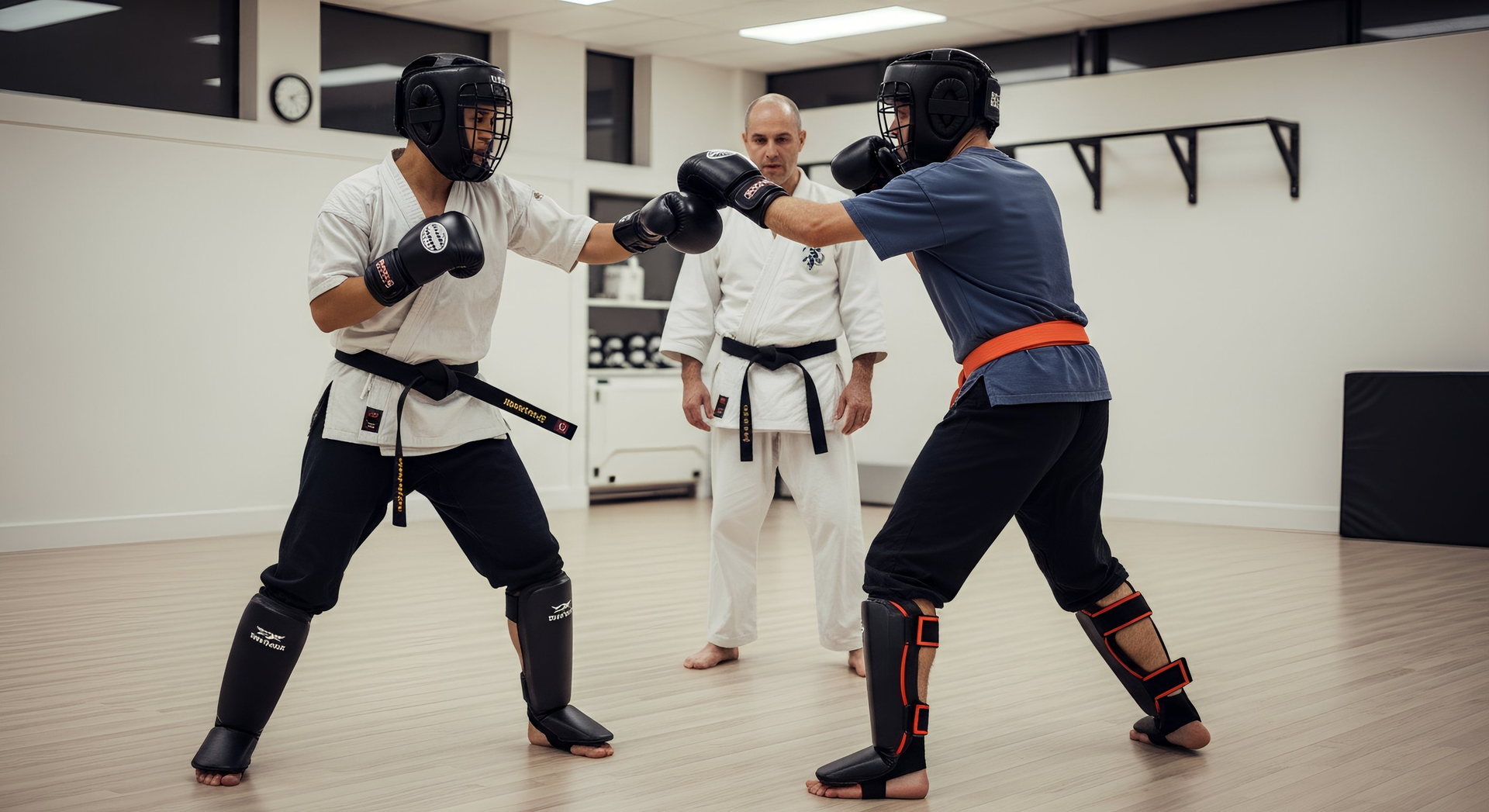
- Progressive resistance and sparring
- Skill-based instruction with real-time judgement
- Gradings and assessment under pressure
These elements materially change the risk profile. When martial arts is insured under a generic fitness category, critical activities may be misunderstood, restricted, or excluded entirely.
Where Generic Gym Policies Commonly Fall Short
The most common failures of gym insurance policies in martial arts settings are not obvious at policy inception. They emerge when claims are assessed.
Activity Exclusions Hidden in Policy Wording
Many gym policies contain exclusions for:
- Combat sports
- Martial arts involving strikes or throws
- Sparring or contact training
- Weapons-based training
School owners often assume that because “martial arts” was mentioned during an online quote process, all activities are covered. In reality, the policy wording—not the quote form—determines coverage.
Instruction vs Environment Confusion
Gym policies are often built around environmental risks—slips, trips, equipment failure. Martial arts claims frequently centre on instructional decisions, such as:
- Whether a student was ready for a technique
- How sparring was supervised
- Instructor judgement during drills
Without properly structured professional indemnity aligned to martial arts instruction, these claims can fall outside cover.
Sparring and Progressive Contact: A Key Risk Gap
One of the most significant differences between gyms and martial arts schools is sparring. Even when controlled, sparring introduces:
- Higher injury likelihood
- Subjective judgement by instructors
- Disputes about supervision and readiness
Generic gym policies often treat sparring as either:
- A prohibited activity, or
- An undeclared increase in risk
In either case, this creates uncertainty at claim time. Insurers may argue that the activity was outside the scope of what was insured—even if sparring is central to the discipline being taught.
Gradings, Seminars, and Events Are Often Misclassified
Martial arts schools regularly conduct:
- Belt gradings
- Inter-school seminars
- Demonstrations and exhibitions
- In-house competitions
Generic gym insurance frequently limits cover to “normal business operations” conducted during standard class hours. Special events may require separate declarations or additional cover.
When an incident occurs during a grading or seminar, insurers may argue that:
- The activity was not disclosed
- The intensity exceeded normal training
- External instructors were not covered
These arguments are rarely anticipated by school owners beforehand.
Instructor Structure Is Different in Martial Arts
Martial arts schools often rely on:
- Assistant instructors
- Senior students helping with classes
- Volunteer or trainee instructors
- Visiting instructors for seminars
Generic gym insurance tends to assume a narrow definition of “trainer” or “employee.” If roles are not clearly defined and included, claims arising from the actions of assistants or volunteers may be contested.
This is particularly problematic in martial arts, where teaching responsibility is often shared and hierarchical.
Claims Are Assessed on Definitions, Not Intent
One of the most confronting realities for school owners is that insurers assess claims based on:
- Policy definitions
- Exclusions and endorsements
- The wording of allegations
They do not assess based on:
- Good intentions
- Instructor experience
- Cultural norms within martial arts
A policy designed without martial arts context may technically exist, yet still fail to respond meaningfully when needed.
Why Industry-Specific Understanding Matters
Martial arts instruction carries nuances that generic insurers struggle to interpret accurately. Industry-aligned organisations such as Martial Arts Australia work within this reality by ensuring that insurance frameworks reflect:
- Real training environments
- The progression of students over time
- The role of controlled contact
- The operational structure of schools
This alignment reduces ambiguity and improves the likelihood that coverage responds as intended.
The Cost of “Cheaper” Insurance
Lower premiums are often the main appeal of generic gym insurance. However, cost savings can be quickly erased by:
- Claim denials or partial payouts
- Legal expenses not covered
- Increased premiums after disputes
- Loss of venue access or reputation
For school owners, the true cost of insurance is not the premium—it is the financial exposure when cover fails.
Signs Your Current Policy May Be Inadequate
You should review your insurance arrangements if:
- Your policy groups martial arts under general fitness
- Sparring or contact training is not clearly addressed
- Gradings and events are not explicitly covered
- Assistant or volunteer instructors are not clearly included
- The insurer cannot explain coverage in martial arts terms
Uncertainty in these areas is a signal that the policy may not be fit for purpose.
Final Thoughts
Martial arts schools operate in a space that sits between sport, education, and physical training. Generic gym insurance is rarely designed to handle this complexity. While it may satisfy surface-level requirements, it often fails when scrutiny increases.