Why Insurance Claims Get Rejected in Martial Arts — And How Proper Cover Prevents It
What insurers assess after an incident and how schools can prepare
For martial arts school owners and instructors, few situations are more confronting than lodging an insurance claim—only to have it delayed, disputed, or rejected. In many cases, the rejection comes as a surprise. A policy was in place, premiums were paid, and the incident seemed straightforward.
Yet claim rejection in martial arts is rarely about bad luck. It is usually the result of misalignment between how a school operates and how the insurance policy was structured. Understanding why claims get rejected—and how proper cover prevents this—can make the difference between a resolved incident and a prolonged dispute.
Claim Rejection Is About Definitions, Not Intent
One of the most misunderstood aspects of insurance is that claims are assessed on policy definitions and exclusions, not on intent or experience.
Insurers examine:
- What activity was being conducted
- Who was instructing or supervising
- Whether the activity was declared
- How the allegation is framed
- Whether policy conditions were met
Even well-run schools can face rejection if the policy does not clearly respond to the activity involved.
Common Reasons Martial Arts Claims Are Rejected
While every claim is unique, certain issues appear repeatedly in martial arts-related disputes.
Undeclared or Misclassified Activities
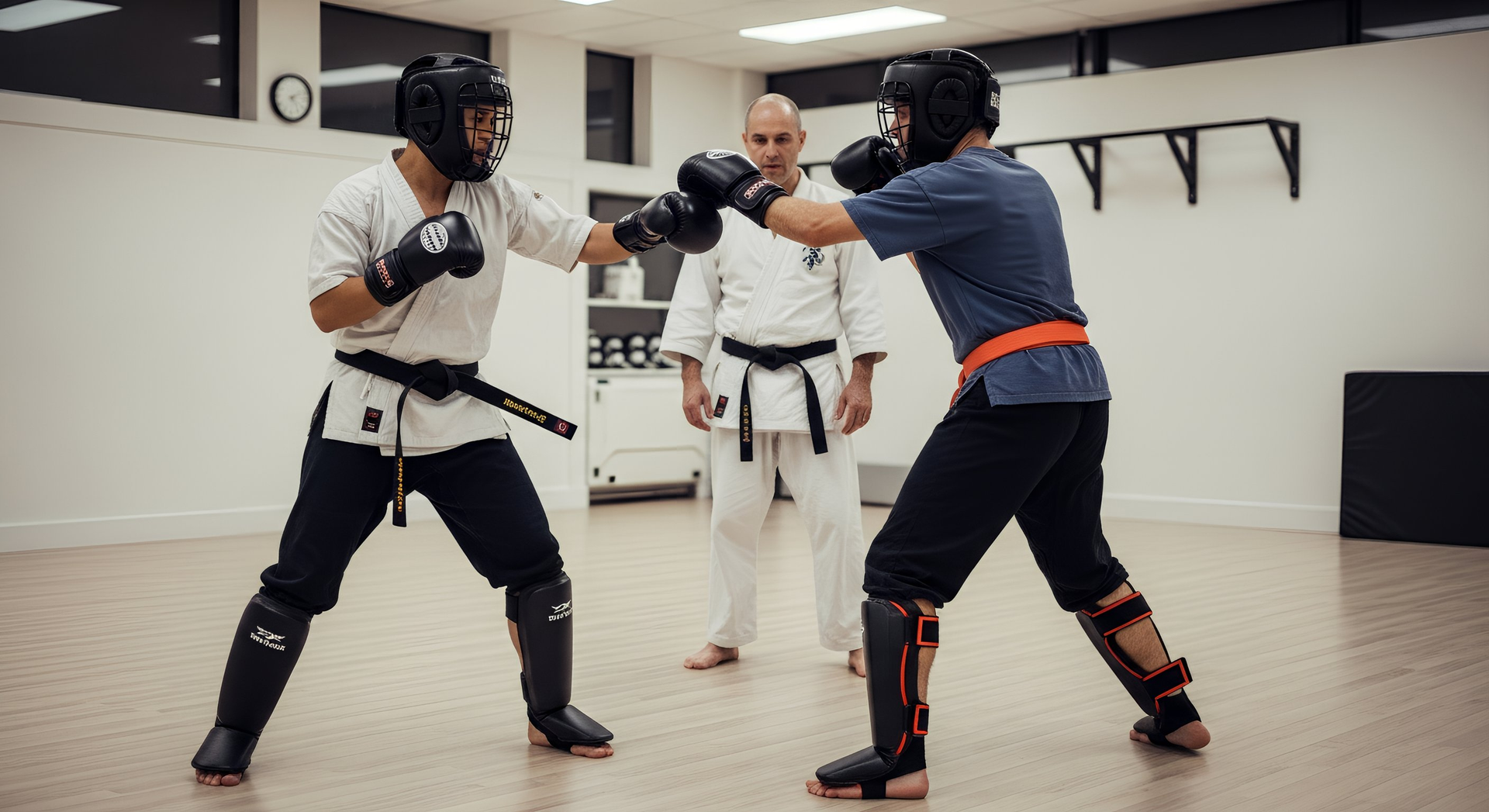
If an activity—such as sparring, weapons training, or advanced grappling—was not clearly declared, insurers may argue it falls outside cover.
This is especially common when martial arts is insured under generic fitness categories.
Events Outside Normal Operations
Claims arising from:
- Gradings
- Seminars
- Demonstrations
- Competitions
may be rejected if the insurer determines the activity was outside the scope of normal classes and not disclosed in advance.
Instructional Allegations Without Professional Indemnity
When a claim alleges poor instruction or supervision, public liability alone may not respond. Without appropriate professional indemnity, insurers may deny the claim entirely.
The Role of Allegation Wording
Insurers respond to allegations, not just injuries. For example:
- “I slipped on a wet floor” triggers public liability
- “I was told to attempt a technique I wasn’t ready for” triggers professional indemnity
If the policy does not include the relevant cover, the claim may be rejected regardless of the actual circumstances.
Documentation Gaps That Weaken Claims
Even when the correct cover exists, poor documentation can undermine a claim.
Common issues include:
- Missing or delayed incident reports
- Inconsistent descriptions of events
- Lack of instructor role clarity
- No record of supervision or safety procedures
Insurers rely heavily on contemporaneous records. Without them, claims become harder to defend.
Instructor Status and Coverage Confusion
Claims often involve assistant instructors, volunteers, or senior students helping classes. If these individuals are not clearly included as insured persons, insurers may dispute liability.
This issue is particularly common in martial arts schools due to their hierarchical teaching structures.
How Proper Cover Prevents Rejection
Proper cover is not about adding more policies—it is about alignment.
Effective insurance arrangements:
- Clearly define all teaching activities
- Include both public liability and professional indemnity
- Address events and gradings explicitly
- Cover all instructors involved in teaching
- Reflect how the school actually operates
When alignment exists, insurers have far less room to dispute claims.
The Importance of Industry-Specific Understanding
Generic insurers may struggle to interpret martial arts scenarios fairly. Industry-aligned frameworks—such as those supported by Martial Arts Australia—are structured with martial arts realities in mind.
This context helps ensure that:
- Activities are anticipated rather than questioned
- Claims are assessed with appropriate understanding
- Schools are not penalised for normal training practices
Preparing Before a Claim Ever Happens
Schools that experience smoother claim outcomes typically:
- Review insurance annually
- Update insurers when activities change
- Maintain clear documentation
- Train instructors in incident response
- Understand the limits and exclusions of their policies
Preparation reduces both the likelihood of rejection and the stress of the claims process.
What to Do If a Claim Is Disputed
If a claim is questioned or rejected:
- Review the specific policy wording cited
- Gather all relevant documentation
- Clarify the nature of the allegation
- Seek industry-informed guidance
Early, informed response can sometimes resolve disputes before they escalate.
Final Thoughts
Insurance claim rejection in martial arts is rarely random. It is usually the result of gaps between policy structure and real-world practice. Understanding why claims are rejected—and addressing those risks proactively—protects instructors, schools, and students alike.
Proper cover does not guarantee that incidents won’t happen, but it greatly improves the likelihood that when they do, the outcome is fair, efficient, and defensible.