How to Choose Your First Martial Art: A Decision Framework for Australian Adults and Families
Cutting Through the Noise to Find the Style That Actually Fits Your Life
Every year, tens of thousands of Australians decide they want to start martial arts training. A significant number of them never make it past the research phase. Not because the options are unavailable — Australia has one of the most diverse and accessible martial arts communities in the world — but because the sheer variety of options is genuinely paralysing. Karate or Taekwondo? BJJ or Judo? Muay Thai or Kickboxing? What about Kung Fu, Aikido, Hapkido, Capoeira, Kali, or any of the dozens of other systems available?
This article is a decision framework. Not a recommendation to choose one style over another — that is a misguided question, as we will explain — but a structured approach to identifying which styles are most likely to fit your specific goals, temperament, lifestyle, and physical situation. By the end of it, you should have a clear shortlist of styles to investigate and a set of questions to take into your club visits.
Step One: Clarify Your Primary Goal
The most important filter in choosing a martial art is your primary reason for wanting to train. Most people have several reasons — fitness, confidence, self-defence, mental discipline — but one usually dominates. Being clear about that primary driver shapes everything that follows.
If your primary goal is self-defence, the most relevant question is: what does self-defence actually mean to you? For most Australians, realistic self-defence involves the ability to handle a sudden physical confrontation — typically involving one person, often involving grappling or clinching, and most commonly resolved by de-escalation, distance management, or a short, decisive physical exchange. For this goal, arts with alive, pressure-tested training and comprehensive range coverage — BJJ, Hapkido, Kali, Muay Thai, or a well-rounded MMA program — are generally most relevant.
If your primary goal is fitness, the question shifts to what kind of fitness experience motivates you to show up consistently. High-intensity, dynamic training with a strong community? Muay Thai and BJJ deliver this in abundance. A more meditative, controlled physical development that prioritises longevity? Tai Chi, Aikido, and internal Kung Fu styles serve this better. Explosive, athletic, sport-focused fitness? Taekwondo and competitive Judo offer structured athletic development with clear performance metrics.
If your primary goal is competition, the picture becomes clearer still. Arts with well-developed competition frameworks — Taekwondo (Olympic), Judo (Olympic), BJJ (IBJJF), Muay Thai (WBC, WMC), and Boxing — provide the clearest pathways to competitive experience at club, state, national, and international levels.
If your primary goal is mental discipline, philosophical development, or stress management, look toward arts with strong philosophical traditions — Aikido, traditional Karate (Shotokan, Goju-Ryu), Tai Chi, or Iaido. These systems invest deliberately in the internal development of the practitioner alongside the physical.
Step Two: Assess Your Physical Starting Point
Physical starting point matters — not because any style is inaccessible, but because some styles have steeper initial physical demands that can be discouraging or injury-prone if approached without adequate baseline fitness.
If you are arriving from a sedentary lifestyle or have significant joint issues, styles that build slowly and allow you to control the pace of physical demand are generally the best starting points. Tai Chi, Aikido, and traditional Kata-based Karate are designed to accommodate a wide range of physical starting points. BJJ and Judo are also well-suited for beginners with limited athletic background, provided you communicate openly with your instructor and training partners.
If you are arriving as an athlete with a strong fitness base, you have more flexibility. Muay Thai, competitive Judo, Taekwondo, and MMA programs will challenge you at the level you are ready for more quickly. You will still have a significant technical learning curve — fitness does not substitute for martial arts skill — but the physical adjustment period will be shorter.
Age matters but is not a disqualifier in any style. Adults over forty who want to train in impact arts like Muay Thai or competitive sparring need to be more deliberate about recovery and more conservative about sparring intensity in the early months, but both are entirely achievable. Many of the best and most dedicated martial artists in Australian clubs are in their forties, fifties, and beyond.
Step Three: Consider Your Temperament
This is the filter most people miss, and it is often the most decisive one. Temperament determines whether you will still be training in three years.
Some people thrive in competitive environments — they need the pressure of testing their skills against fully resisting opponents to maintain motivation. For these practitioners, arts with regular sparring or randori, active competition pathways, and a clear measurement system are essential. BJJ, Judo, Muay Thai, and Taekwondo all provide this.
Others find competitive pressure demotivating or anxiety-inducing, and thrive instead in a cooperative, developmental training environment. Traditional Karate, Aikido, Tai Chi, and Kung Fu styles with a philosophical emphasis often suit this temperament better. The absence of competitive sparring is not a weakness for these practitioners — it is what allows them to focus on the technical and internal development that drives them.
Introvert or extravert tendencies also matter. Some styles have highly social, partner-interactive training cultures — BJJ rolling culture is famously community-oriented. Others offer the option to train in a more internally focused way. If you find constant social interaction exhausting, consider whether the training culture of a given school suits your social needs.
Step Four: Evaluate the School, Not Just the Style
Here is the single most important piece of advice in this entire article: the quality of the school and instructor matters more than the style itself. A superb instructor teaching a style that was not your first choice will produce better results than a mediocre instructor teaching your ideal style.
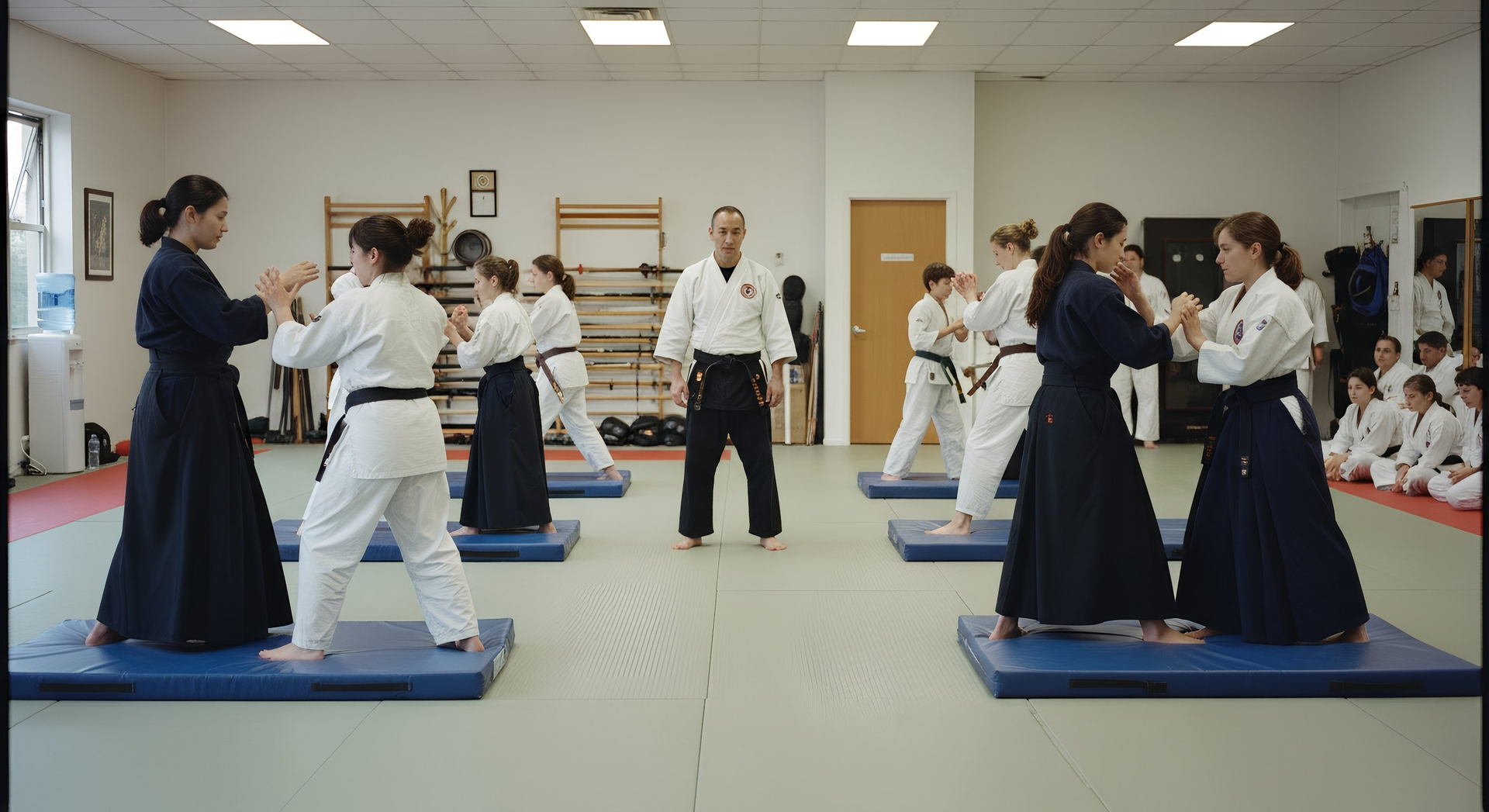
When visiting schools, observe before committing. Watch a class at your level. Notice how the instructor treats beginners — with patience and genuine attention, or as a necessary inconvenience between their advanced students' training? Notice how more experienced students treat newcomers. In healthy training cultures, senior students look out for beginners. In unhealthy ones, beginners are pressure-tested immediately and injuries are treated as rites of passage.
Ask about the typical training week structure. How many classes are available? Is there open mat or additional drilling time? What is the typical time investment required to see meaningful progression? How does the school handle injuries — is there a clear protocol, or are students expected to push through everything?
Ask about the instructor's credentials and lineage. In Australia, Martial Arts Australia maintains accreditation systems for instructors across multiple styles, providing an additional layer of quality assurance. Schools affiliated with MAA have committed to professional standards that independent schools may or may not meet.
The Last Word: Try Before You Decide
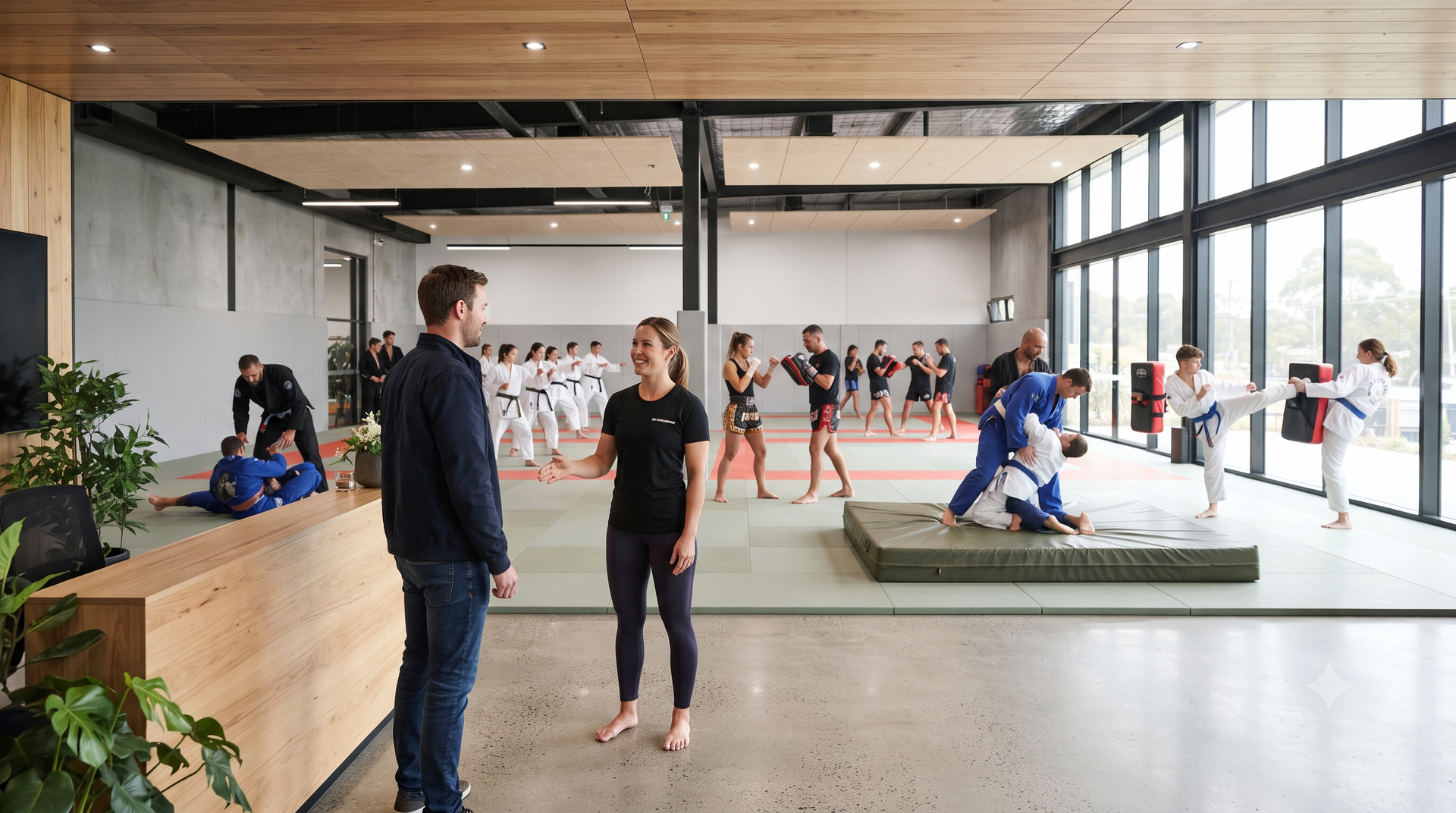
No amount of research substitutes for being in the room. Once you have narrowed your list to two or three plausible styles and schools, visit each one and do a trial class. Most reputable schools offer free or low-cost trial classes precisely because they understand that the experience sells itself.
Pay attention to how you feel after that first class. Not the soreness — that is universal — but the quality of the experience. Were you welcomed? Did you understand enough of what was happening to feel engaged rather than lost? Did you feel safe? Did you leave wanting to come back?
That last question is the only one that truly matters. The best martial art for you is the one you will actually train in, consistently, for years. Find that school, commit to it, and the rest follows.