Martial Arts Accident Claims: What Insurers Look for After an Incident
Documentation, procedures, and decisions that influence outcomes
Accidents can happen even in the most disciplined and well-run martial arts schools. When they do, the outcome is shaped not only by the injury itself, but by how the school responds in the minutes, hours, and days that follow. From an insurer’s perspective, an accident claim is an assessment of both the incident and the professionalism surrounding it.
Understanding what insurers look for after a martial arts accident helps school owners and instructors protect themselves, support injured participants, and reduce the likelihood of disputes or rejected claims.
The First Question Insurers Ask: What Actually Happened?
Insurers begin every claim by establishing a clear factual timeline. They want to know:
- What activity was taking place
- Who was involved
- When and where the incident occurred
- What immediate action was taken
Vague or inconsistent explanations raise concerns quickly. Clear, factual reporting builds credibility from the outset.
Immediate Response Matters More Than Many Realise
How an instructor responds immediately after an accident can influence how the claim is viewed later.
Insurers expect to see:
- Prompt first aid or appropriate medical response
- Calm management of the situation
- No admission of fault or speculation
- Clear separation of care and documentation
The goal is not to minimise the incident, but to demonstrate control and professionalism.
Incident Reports: A Critical Piece of Evidence
Incident reports are one of the most important documents in any claim. Insurers rely on them heavily.
Effective incident reports:
- Are completed as soon as practical
- Stick to observable facts
- Avoid assumptions or blame
- Note supervision and class structure
- Record witnesses where applicable
Reports written days later or reconstructed from memory are far less persuasive.
Supervision and Instructor Presence
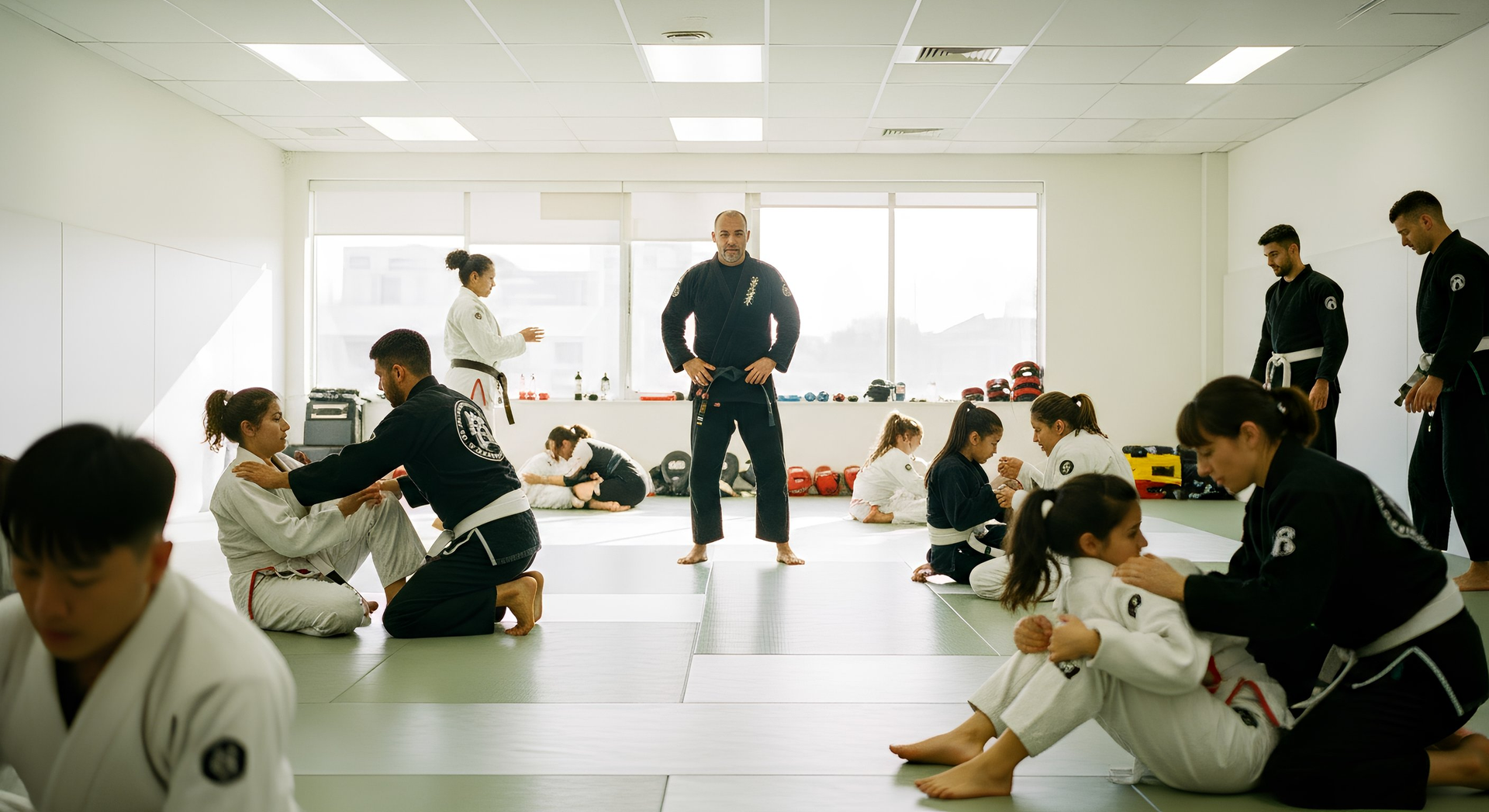
One of the first operational issues insurers assess is supervision.
They consider:
- Instructor-to-student ratios
- Whether the instructor was actively supervising
- The experience level of those involved
- Whether assistance was appropriately managed
Claims are more defensible when schools can show that supervision was appropriate for the activity being conducted.
Was the Activity Appropriate for the Student?
Insurers also examine whether the activity matched the participant’s:
- Age
- Experience level
- Physical condition
- Training history
If a claim alleges that a student was pushed beyond their capability, professional judgement becomes central to the assessment.
This is where professional indemnity insurance and documentation of progression standards are critical.
Alignment With Declared Activities
A common source of claim difficulty is misalignment between the activity being conducted and what was declared on the insurance policy.
Insurers will check:
- Whether sparring or contact was disclosed
- Whether the class type was covered
- Whether the venue and activity were approved
If the activity falls outside declared operations, insurers may dispute the claim regardless of injury severity.
Witness Statements and Consistency
Insurers often compare:
- Instructor accounts
- Student or parent statements
- Incident reports
- Medical records
Consistency matters. Contradictions—especially on basic facts—can undermine credibility and slow claim resolution.
Communication After the Incident
How a school communicates after an incident can either de-escalate or inflame a situation.
Good practice includes:
- Clear, calm communication
- Acknowledging the incident without assigning blame
- Referring insurance matters appropriately
- Avoiding informal promises or opinions
Professional communication supports both insurance outcomes and reputation protection.
The Role of Documentation Beyond the Incident
Insurers may request additional documents such as:
- Instructor qualifications
- Safety procedures
- Class structure guidelines
- Risk management policies
Schools that maintain organised documentation are better positioned to respond efficiently and confidently.
Industry Context Influences Interpretation
Martial arts incidents can be misinterpreted without industry understanding. Activities such as controlled sparring or progressive resistance may appear inherently dangerous to those unfamiliar with martial arts training.
Industry-aligned frameworks supported by Martial Arts Australia help ensure that insurers assess incidents with appropriate context, rather than generic assumptions.
What Schools Can Do Before an Accident Occurs
The strongest claims are built before any incident happens.
Schools should:
- Train instructors in incident response
- Maintain clear reporting processes
- Review insurance alignment regularly
- Ensure documentation reflects real practice
Preparation reduces stress and improves outcomes when incidents occur.
Final Thoughts
Martial arts accident claims are not judged solely on injury severity. They are assessed on preparedness, professionalism, and alignment between practice and policy.
Schools that understand what insurers look for—and structure their operations accordingly—are far more likely to experience smooth, fair claim outcomes while protecting their students, staff, and reputation.