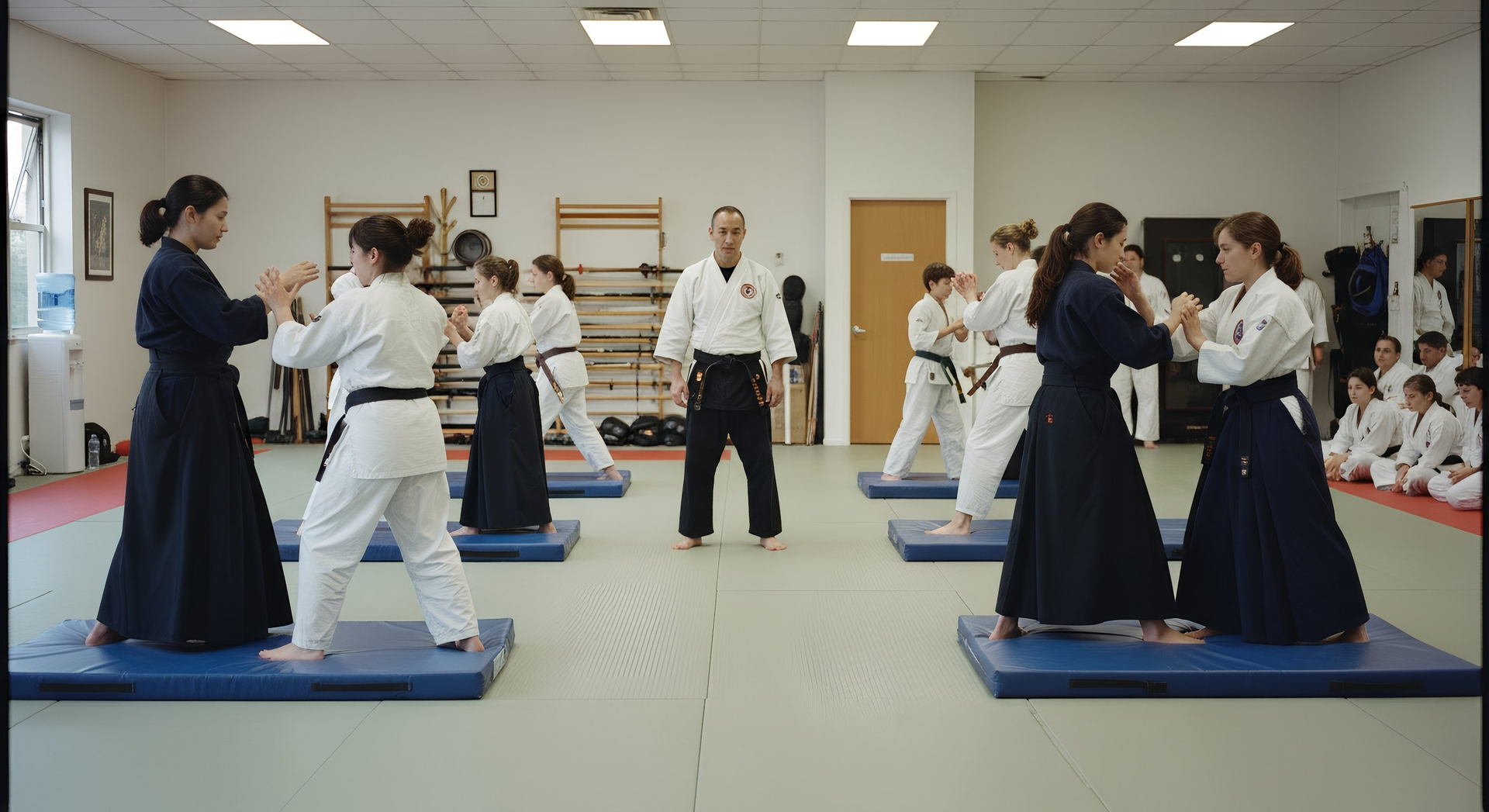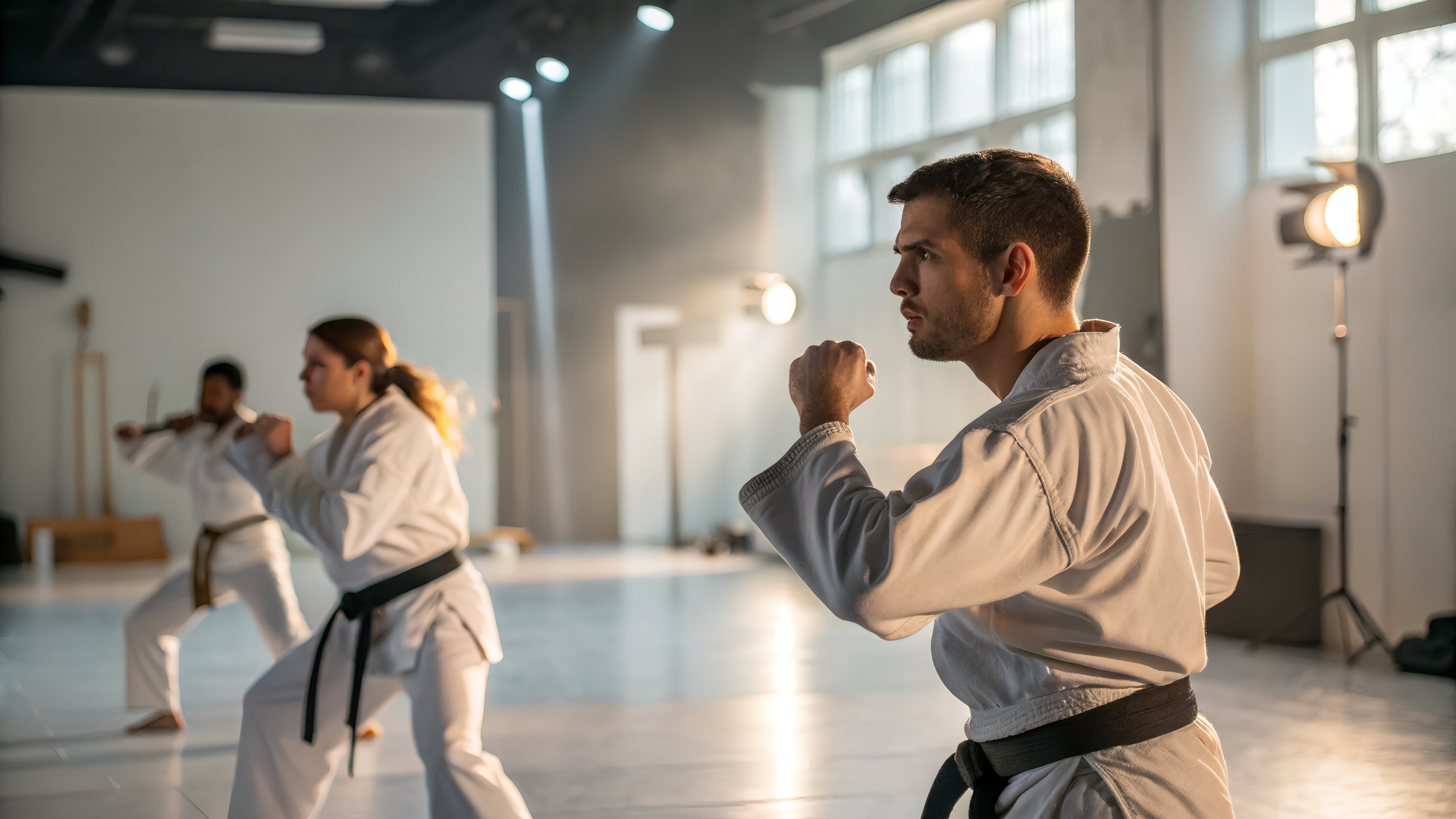
Tang Soo Do
Traditional Korean Martial Arts, Character Development, and the Way of the Tang Hand
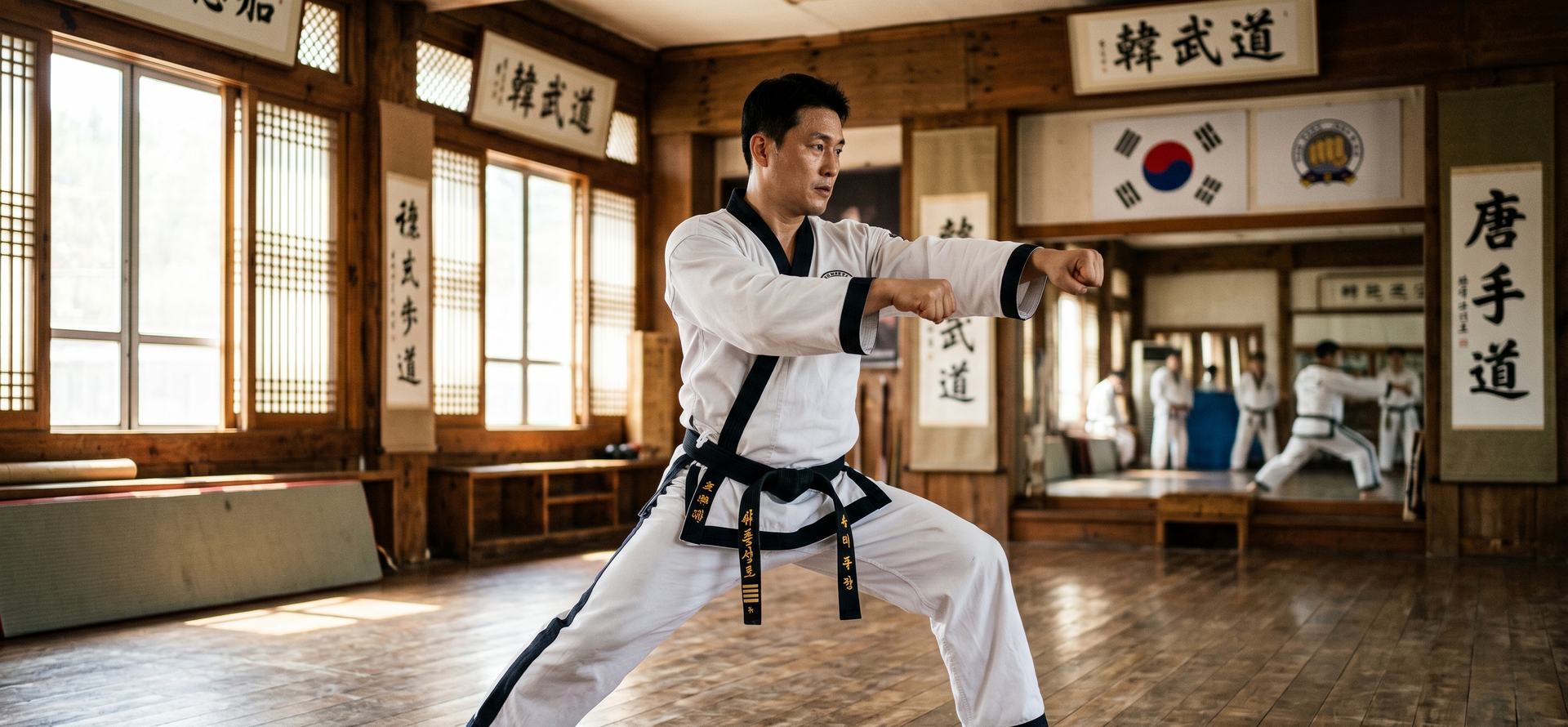
The Predecessor That Still Stands Strong
Tang Soo Do holds a particular place in the Korean martial arts family — it is one of the traditional systems from which modern Taekwondo was directly derived, and yet it has maintained its own distinct identity and practitioner community in the decades since Taekwondo's formalisation as Korea's national martial art. For students seeking a traditional Korean martial arts experience with deep philosophical roots, rigorous technical standards, and an emphasis on character development alongside physical training, Tang Soo Do remains one of the most rewarding choices available.
The name translates to Way of the Tang Hand — 'Tang' referring to the Tang Dynasty of China, reflecting the Chinese martial arts influences that shaped the Korean systems, and 'Do' signifying not merely a fighting technique but a path of personal development and refinement. This emphasis on the path rather than merely the technique is central to how serious Tang Soo Do practitioners understand their practice.
Historical Background
Tang Soo Do's formal history as a named system begins in the mid-20th century, primarily through the work of Hwang Kee, who founded the Moo Duk Kwan school in 1945 following Korea's liberation from Japanese colonial rule. Hwang Kee drew from multiple sources in developing his system: the traditional Korean martial arts he had studied since childhood, his study of Chinese martial arts during time spent in Manchuria, and his analysis of Okinawan karate texts to which he had access.
The result was a comprehensive system that reflected both the distinctly Korean emphasis on high kicks and dynamic leg techniques and the refined kata (form) tradition of the Okinawan and Japanese systems. Hwang Kee's Moo Duk Kwan became one of the most influential Korean martial arts schools of the 20th century, and Tang Soo Do's spread outside Korea — particularly to the United States and through the international career of practitioners like Chuck Norris — established it as a globally recognised system.
Technical Character of Tang Soo Do
Tang Soo Do shares many technical characteristics with Taekwondo — both systems having descended from similar early 20th-century Korean martial arts traditions — but there are meaningful differences that practitioners and observers notice:
- Hand techniques receive greater emphasis — while Tang Soo Do includes the high, dynamic kicks that characterise Korean martial arts, it generally gives more weight to hand strikes, blocks, and combinations than competitive Taekwondo. Practitioners develop a more balanced offensive and defensive tool set.
- Forms (hyung/poomsae) are central — the Tang Soo Do forms curriculum is extensive and considered essential to the transmission of the system's principles. The forms are studied analytically for their applications, not merely memorised as choreography.
- Traditional methodology — Tang Soo Do schools generally maintain a more traditionalist approach to training, with emphasis on formal etiquette, rank structure, and the instructor-student relationship as a vehicle for character development as much as technical transmission.
- Colour belt forms from Korean and Chinese traditions — the Moo Duk Kwan curriculum draws from both Korean indigenous forms and Chinese-influenced patterns, reflecting the system's composite heritage.
The Philosophical Dimension
What distinguishes Tang Soo Do from pure sport martial arts systems — and what makes it particularly compelling to students who want more than a fitness program or a competitive sport — is its explicit and consistent emphasis on character development as the primary purpose of training.
The Moo Duk Kwan philosophy articulates a set of values — sincerity, justice, kindness, wisdom, and loyalty — that practitioners are expected to develop through training and to embody in their lives outside the dojang. Rank progression in Tang Soo Do involves not merely technical assessment but an evaluation of character and conduct. This is not merely aspirational language — in traditional Tang Soo Do schools, the expectation that martial arts training should produce measurable changes in how practitioners relate to themselves and others is taken seriously.
Senior practitioners and masters in the Tang Soo Do community consistently speak about the art as a lifelong practice of self-cultivation — one that becomes richer and more meaningful as the practitioner matures, not less relevant as the physical demands of sport competition become harder to meet.
The Belt and Dan System
Tang Soo Do uses the coloured belt system familiar from other Korean and Japanese martial arts, with progression from white belt through a series of colour grades to black belt (1st Dan and above). The Tang Soo Do Dan structure places particular emphasis on the continuity of development beyond first Dan — the position of black belt is understood as a beginning, not a destination, and the expectations placed on black belt practitioners in terms of continued study, teaching, and character development are substantial.
The standard required for each grade, and the time expectations before promotion, vary between organisations and schools. Students considering Tang Soo Do should ask prospective schools about their grading criteria to ensure they align with the traditional standards the art is known for.
Tang Soo Do in Australia
Australia has a Tang Soo Do practitioner community operating across several organisations and lineages, with schools in major cities and regional centres. The system's combination of traditional methodology, comprehensive technical curriculum, and explicit character development framework makes it particularly well-suited to students looking for a long-term martial arts home rather than a short-term fitness or competition goal.
At Martial Arts Australia, we support Tang Soo Do schools across the country and include them in our club directory as examples of the traditional Korean martial arts tradition at its most authentic. If you're looking for a school that takes the 'Do' — the way, the path — as seriously as the martial techniques, Tang Soo Do deserves serious consideration.