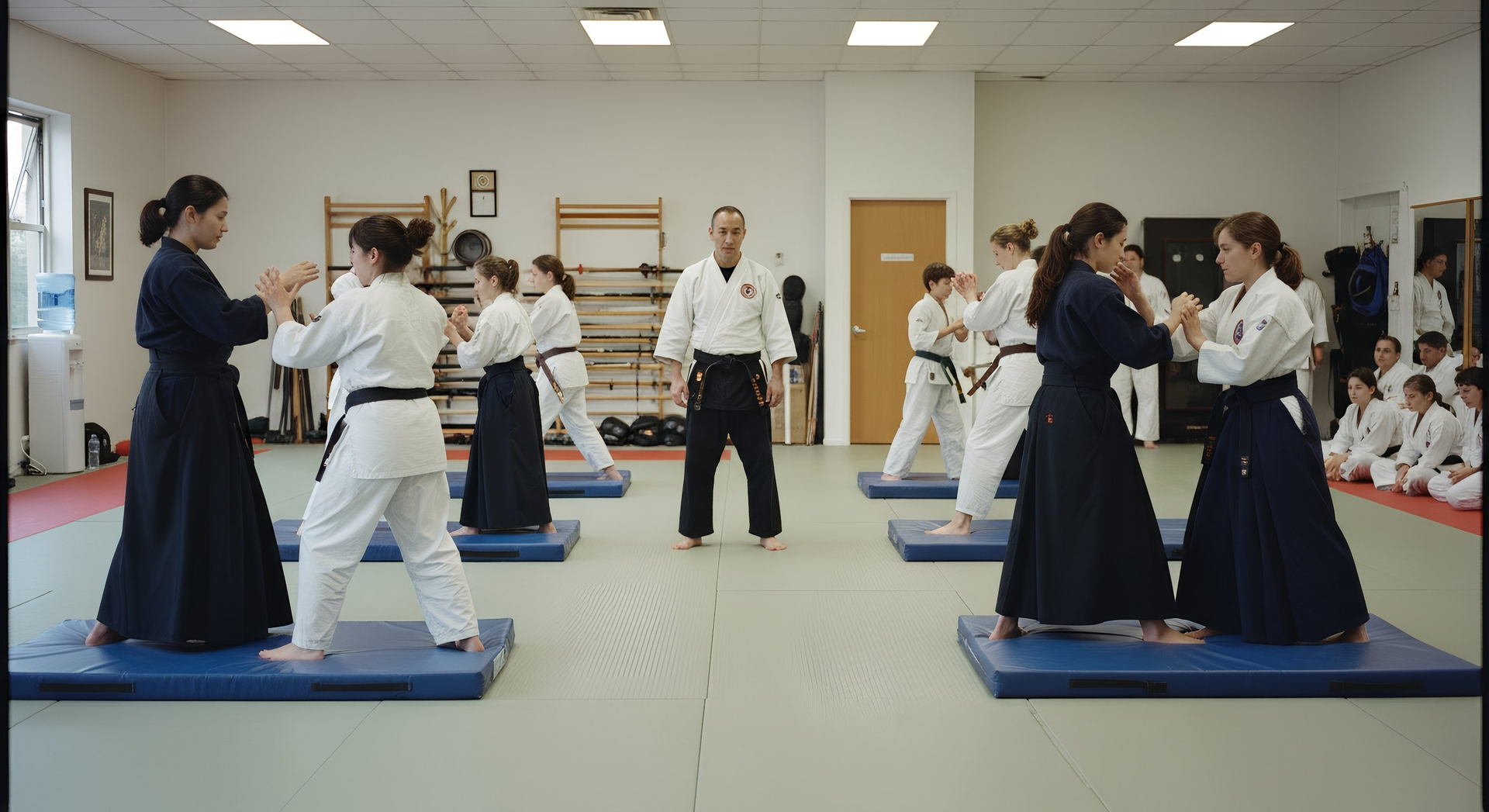
Understanding Duty of Care in Martial Arts Training
Understanding Duty of Care in Martial Arts Training

Understanding Duty of Care in Martial Arts Training
Duty of care is a concept frequently referenced in martial arts training environments, particularly when discussing injuries, supervision, and insurance. While the term is often used broadly, its meaning is sometimes misunderstood or oversimplified.
This article provides general information about duty of care in the context of martial arts training and explains how it is commonly viewed alongside insurance considerations. It does not provide legal or personal advice.
What Duty of Care Means in Martial Arts Training
In general terms, duty of care refers to the responsibility instructors and schools have to take reasonable steps to avoid foreseeable harm during training activities. In martial arts environments, this responsibility exists because instructors are guiding participants through structured physical activity that may involve contact, movement, and exertion.
Duty of care does not mean that injuries will not occur. Martial arts training, by its nature, involves physical engagement and variability between participants. The concept instead relates to whether reasonable and appropriate measures are in place during training.
Duty of Care Is About Reasonableness, Not Outcomes
A common misunderstanding is that duty of care is judged by outcomes alone. In practice, duty of care is more closely linked to process and conduct, rather than the absence of injury.
Factors commonly considered include:
- Whether classes are supervised
- Whether instructors are appropriately trained
- Whether activities are suitable for the class format
- Whether students are introduced to techniques progressively
An injury occurring during training does not automatically indicate a failure of duty of care.
Training Structure and Supervision
Martial arts classes vary widely in structure. Some focus on technical drills, others on conditioning or controlled contact, and some include sparring or competition preparation.
From a duty of care perspective, relevant considerations may include:
- Instructor-to-student ratios
- Clear explanation of drills
- Appropriate pairing of students
- Awareness of differing experience levels
Duty of care does not require eliminating risk, but it does involve recognising how training is conducted.
Experience Levels and Progression
Martial arts schools often train students at different stages together. Beginners, intermediate students, and advanced practitioners may share class time, particularly in smaller schools.
Managing progression is part of duty of care awareness. This can include:
- Introducing techniques gradually
- Modifying drills for newer students
- Monitoring fatigue and engagement
Insurance does not determine how progression should occur. However, how activities are structured and supervised can be relevant when incidents are later reviewed.
Equipment and Training Environment
Duty of care considerations may also extend to the training environment itself. This can include:
- Use of mats or protective equipment
- Condition of training surfaces
- Layout of the training area
- Storage and use of equipment
Insurance does not certify environments as safe or unsafe. It responds to certain insured events if a claim arises, subject to policy terms and conditions.
Duty of Care and Insurance Are Not the Same Thing
It is important to distinguish between duty of care and insurance.
- Duty of care relates to how training is conducted.
- Insurance relates to financial exposure arising from certain insured events.
Having insurance does not remove duty of care responsibilities. Likewise, meeting duty of care obligations does not guarantee insurance coverage for every incident.
Claims, where applicable, are assessed individually and in line with policy terms, conditions, and exclusions.
Documentation and Duty of Care Awareness
From an insurance perspective, documentation can sometimes be relevant when incidents are reviewed. This may include:
- Class plans or schedules
- Instructor roles
- Incident reports
- Participation records
Documentation does not establish compliance or determine outcomes, but it can help clarify what occurred during training.
Communication and Expectations
Clear communication with students and, where relevant, parents or guardians can support realistic expectations around martial arts training. This includes explaining:
- The nature of training activities
- Progression approaches
- Class structure
Such communication supports transparency but does not remove the possibility of injury or claims.
General Information on Industry-Specific Insurance Experience
Some insurance brokers work specifically with martial arts, fitness, and sports-related organisations. For example, MAA Insurance Services works with martial arts schools and instructors across Australia and structures insurance arrangements based on declared activities and operating models.
This reference is provided for general awareness only and does not constitute personal advice.
Claims and Duty of Care
When an incident results in a claim, insurers may consider information relating to the activity, supervision, and circumstances surrounding the incident. This does not mean insurers judge training methods; they assess whether the incident aligns with insured events under the policy.
Duty of care is one factor among many that may be considered, subject to policy terms and conditions.
Closing Thoughts
Duty of care is a foundational concept in martial arts training, but it is not about eliminating risk or guaranteeing outcomes. It relates to how training is structured, supervised, and communicated.
Insurance operates separately, providing financial protection against certain insured events where applicable. Understanding the distinction between these concepts supports informed awareness for martial arts instructors and schools.
Disclaimer:
This information is general in nature and does not consider your personal circumstances.